
From Marching Bands to Jazz: Rethinking Project Planning
A thought to consider…
Most of us grew up with Gantt charts: neat rows of bars stretching across a page, pretending to show reality.
The problem? Construction is not static.

Pull planning flips the script.
Instead of one person pushing a schedule from the top down, trades pull the work backward from the future.
Suddenly the plan isn’t abstract. It’s their plan.
Think of it like music.
Gantt is a marching band; orderly, predictable, rigid.

Pull planning is jazz; everyone knows the melody, but the rhythm comes alive when the group plays together!
Eng-Spire Labs: Making Pull Planning Work!
Pull planning is popular.
Done poorly, it frustrates more than it helps.
Done well, it changes everything.
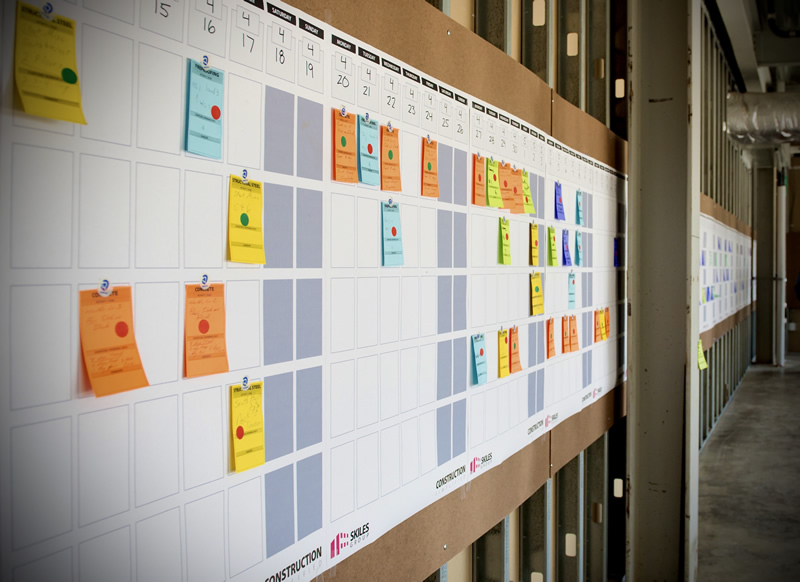
Here are a few ways we’re sharpening the process:
Limit the zone size. Smaller zones keep things visible and momentum high. Oversized zones stall the flow. Break a floor plate into pieces or a building into it’s components that can occur as more of a one piece flow. Check out this video if you’re new to the concept.
Get the right people in the room. The plan only works if trades are represented by someone who knows the work and can commit, creating more buy-in.
Make it visual. Whether it’s sticky notes or tools like Touchplan, Nialli or Miro, the plan should be something everyone can see and move around. Start simple at first.
Turn it into a living plan. Don’t let the energy die after one workshop. Keep revisiting things; the beat depends on regular check-ins. Pull planning goes very well with the Agile/Scrum framework. Meeting once per week for an hour, then every day for 15 minutes.
Learn from the best. Jason Schroeder’s 12-minute video on How to Pull Plan Effectively is worth every minute.
Pull planning isn’t about the perfect tool. It’s about the thinking behind it: collaboration, visibility and rhythm.
🔗 3 Must-Dos After Your Next Pull Planning Session
Structural 101: Detailing Meets Reality
For structural engineers, drawings and codes are only a fraction of the job.
Real insight comes from walking the site, watching how crews sequence their work and listening to subtrades explain how they actually build.

Take reinforcement congestion.
On paper, it’s easy to layer ties, stirrups, pilaster cages, pile dowels, grade beam bars and column reinforcement.
But when all that steel collides at a pile cap or grade beam intersection, space for concrete to flow disappears.
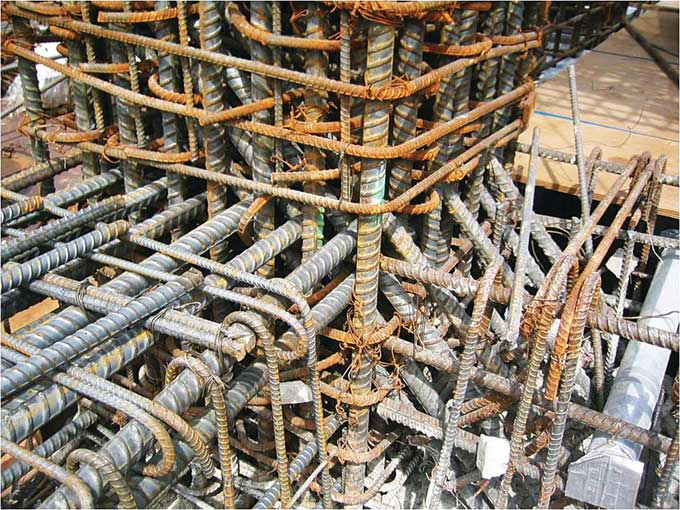
Here’s an image of congested rebar The result? Honeycombing, poor consolidation or bars placed incorrectly.
Codes set the minimum.
Drawings show intent.
But awareness of sequencing and craft is what makes detailing buildable.
That awareness doesn’t come from textbooks; it comes from site visits, collaboration and pulling knowledge from the very people who make the work real.
Your Turn: More Pull, Less Push!

This week, ask yourself:
Where am I pushing a plan when I could be pulling it with others?
Who on my team needs to be in the room to make the rhythm real?
What “site walk” could help me see beyond drawings and codes to the craft itself?
Planning isn’t about perfection. It’s about building a rhythm everyone can move to.