
Going Under the Surface
A thought to consider…
Under the surface…
(Parents who have watched Encanto a hundred times…yes, that song is stuck in our heads too!)

Disney has a way of wrapping profound truths in catchy tunes. Luisa’s song isn’t really about donkeys and heavy loads; it’s about invisible pressures and unmet needs driving her stress.
The same can be true in real life.
If you’ve ever sat through couples therapy or just an honest late-night conversation, you’ve heard this before: the problem is not the problem.
While the fight may be about the dishes, the bills or the socks on the floor, those are just sparks on the surface. The real fire comes from deeper places; a longing for respect, a lack of security or simply, the need to be heard.
Maslow charted this decades ago. When needs like safety, belonging or self-expression go unmet, we react.
We shut down. We blame. We shame.
The trigger isn’t the true issue. The unmet need is.
Eng-Spire Labs: Going Beneath the Surface
In engineering, problems are part of every project.
The difference isn’t whether issues happen; it’s how we respond when they do.

Here are some strategies we’ve been testing to get past surface-level sparks and uncover the needs underneath:
Ask “What would solving this give you?”
Don’t stop at “the drawings are late.” Ask what having them on time would allow. Often, the deeper need is time to coordinate or to have confidence before fabrication.Needs Check-In.
Begin weekly meetings by asking each discipline to name one thing they need. Whether it’s faster responses, clearer drawings, confirmation of site conditions, surfacing needs early prevents bigger problems later.Translate the Ask.
When someone says “the drawings are late,” reframe it as the unmet need: “I need time to coordinate before fabrication.” The shift moves the conversation from blame to action.Maslow’s Hierarchy Check.
When frustration is high, ask yourself: is this really about safety, belonging, respect or autonomy? Naming the unmet layer often reveals why the reaction feels bigger than the surface issue.
When we learn to name the need beneath the issue, we stop reacting and start building solutions that last.
Structural 101: Radon- The Invisible Load
What lies beneath our buildings? Alongside gravel and foundations sits something less visible but far more dangerous: radon.
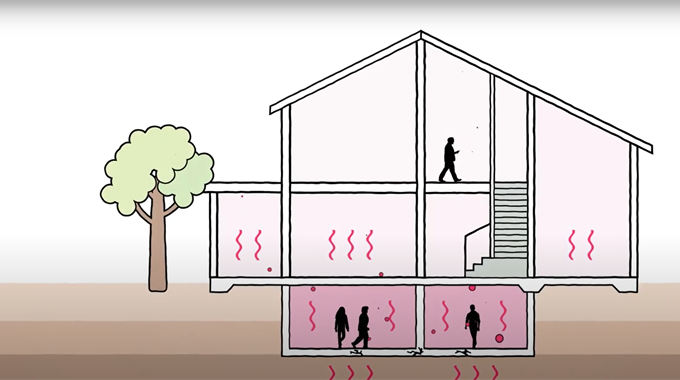
https://www.bccdc.ca/health-info/prevention-public-health/radon Radon is a naturally occurring radioactive gas that seeps through soil and rock, slipping into buildings through cracks and slab joints.
Invisible and odourless, it’s easy to live with it for years without knowing it’s there. Yet it’s the second leading cause of lung cancer in Canada, linked to more than 3,000 deaths each year.
That’s why the Building Code now requires passive radon mitigation systems in all new construction.
Typically, this means:
A granular layer under the slab, made of smooth stone that won’t compact, allowing gas to flow freely.
A rough-in pipe that can be activated if testing shows high concentrations.
Here is a typical detail we use for slabs on grade.
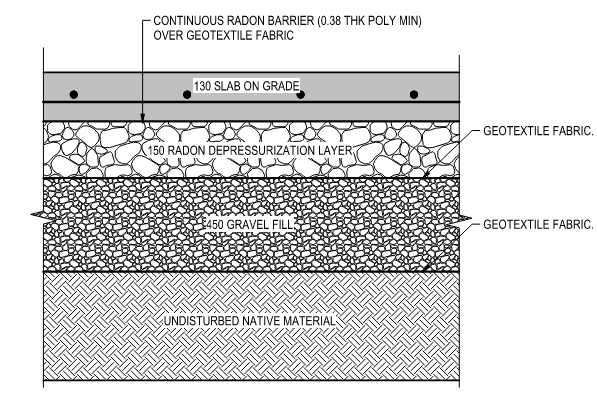
Notice the 150 mm radon rock layer beneath the slab. The stone is smooth and does not compact, which allows radon gas to move freely through the layer and be drawn out of the building by the mitigation system.
Testing is simple and affordable. If needed, a fan can activate the system to keep radon out.
Hidden beneath the surface, radon is a reminder: what we don’t see can be just as important to address as what we do.
Your Turn: Look Beneath the Surface!

This week, pause before reacting to the spark on the surface.
Ask:
What’s the deeper need here?
How could I surface that need before it becomes a fire?
Where in my projects or relationships might an “invisible load” be building pressure?
The trigger isn’t the problem. The unmet need is.