
Iron in Our Veins: Honoring 9/11
A thought to consider…
This week we pause to mark the anniversary of September 11, 2001.
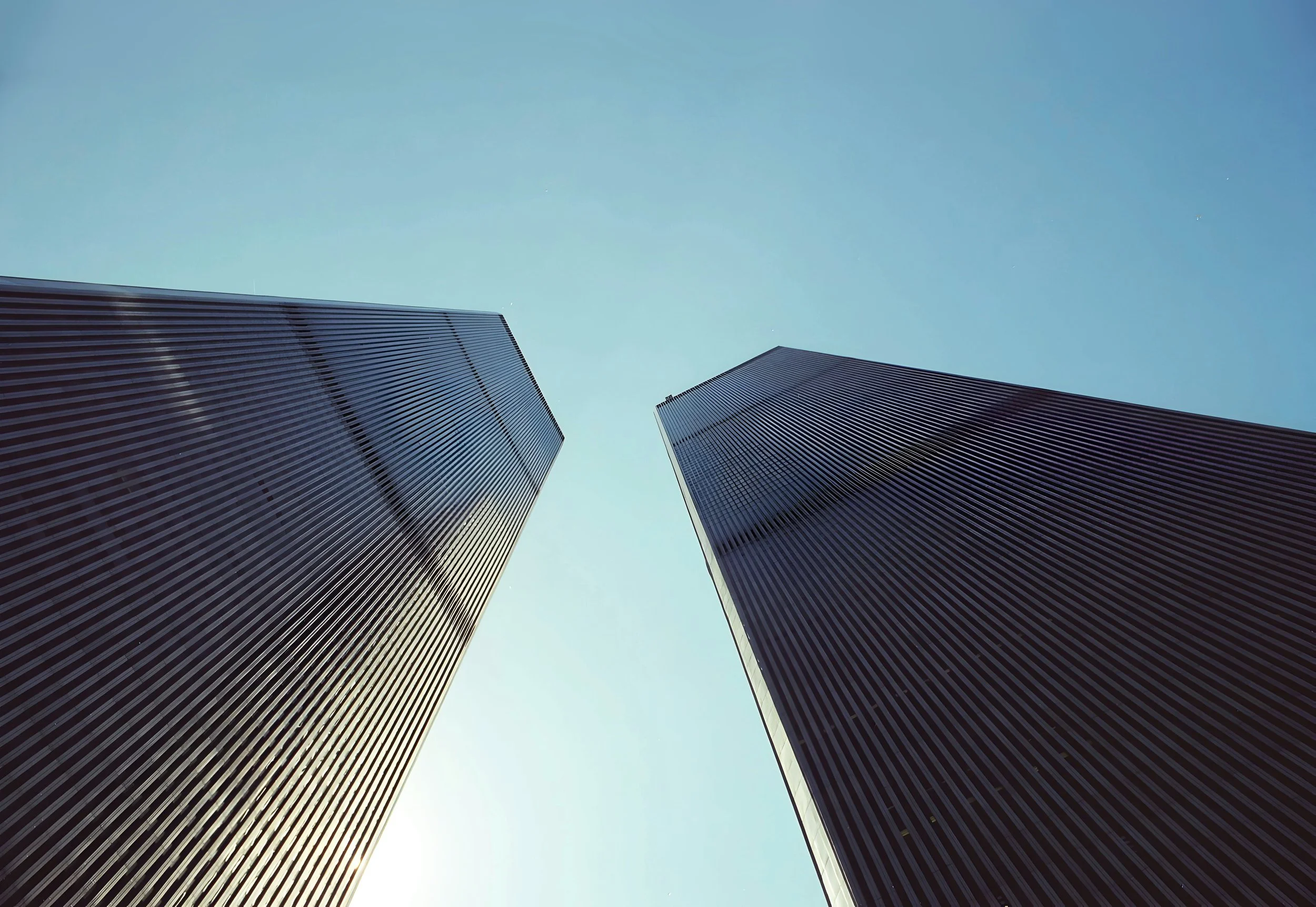
For those who lived through it, that morning is etched forever in our memories: classrooms and offices gathered around televisions, watching in disbelief as two towers, once thought unshakable, now fell before our eyes.
Buildings are not just steel and concrete; they are symbols of what humans can achieve, as well as mirrors of our vanity as we reach skyward, daring gravity itself.
The Twin Towers collapse showed the world that even the strongest structures can be undone by forces beyond their design.
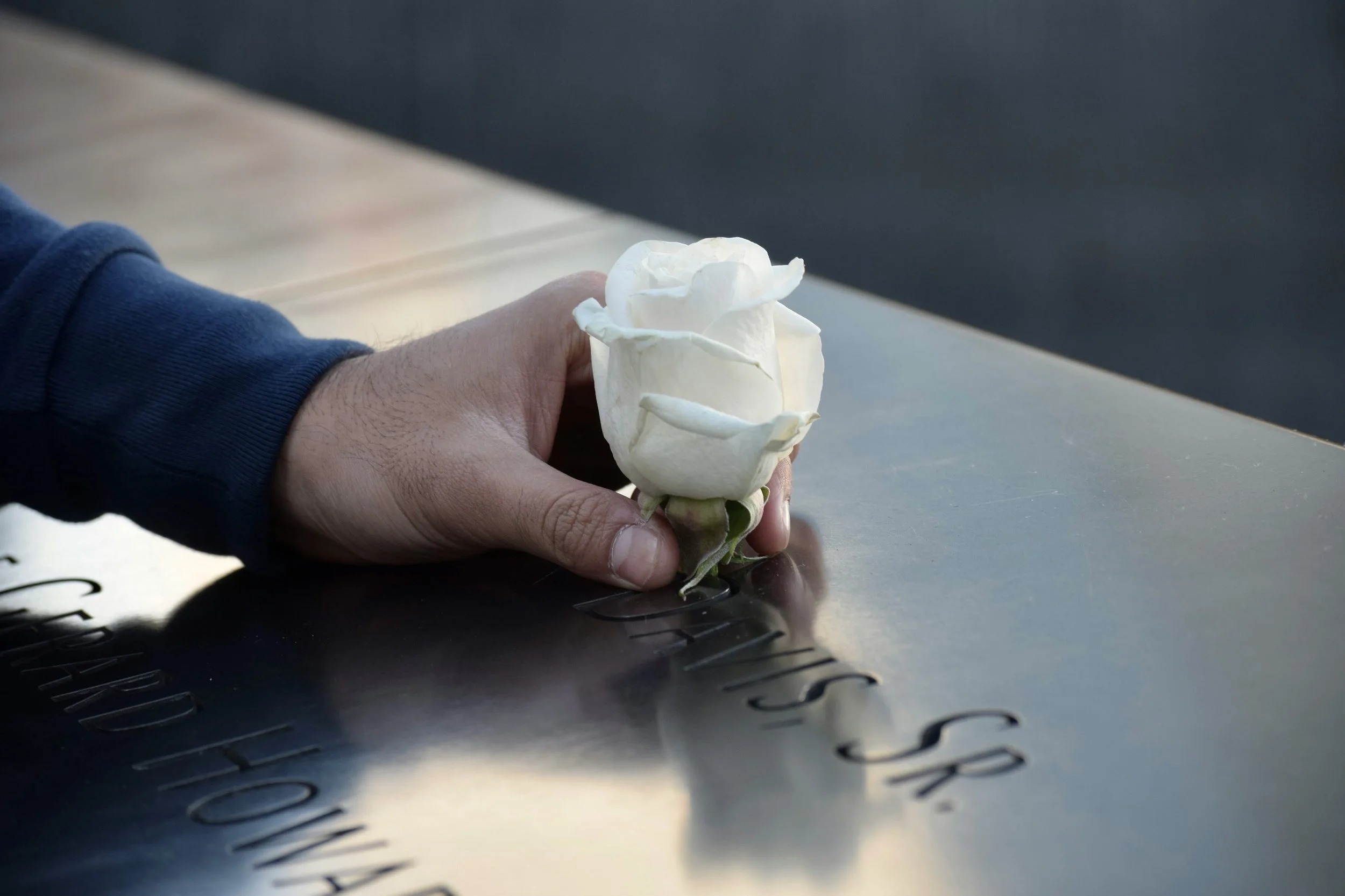
At the 9/11 Museum in New York, a line from Virgil greets visitors:
“No day shall erase you from the memory of time.”
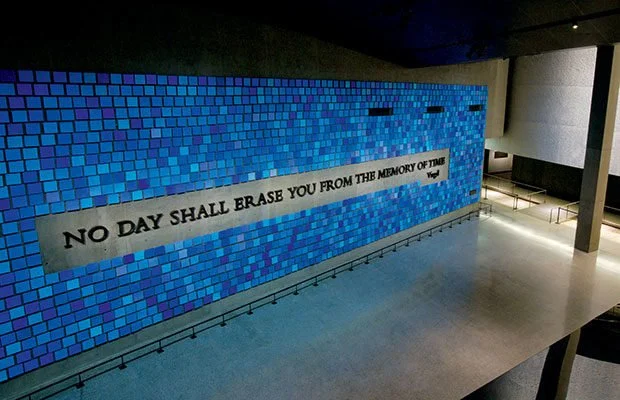
Image link: https://biturl.top/ueaQbeEach letter was forged from steel pulled from the wreckage. Blacksmith Tom Joyce transformed raw iron (the base of steel) into words that endure.
That choice of material matters. Iron doesn’t only support our buildings. It also courses through us, carrying oxygen, fuelling the very life that allows us to rebuild.
The letters on that wall remind us: even in fragility, there is beauty.
While the tragedy of 9/11 reminded us of the worst of humanity, it also brought out the best in some ways; the ability to come together, to carry one another and to create hope from the ashes as we move forward from hardship.
Eng-Spire Labs: A Reflection
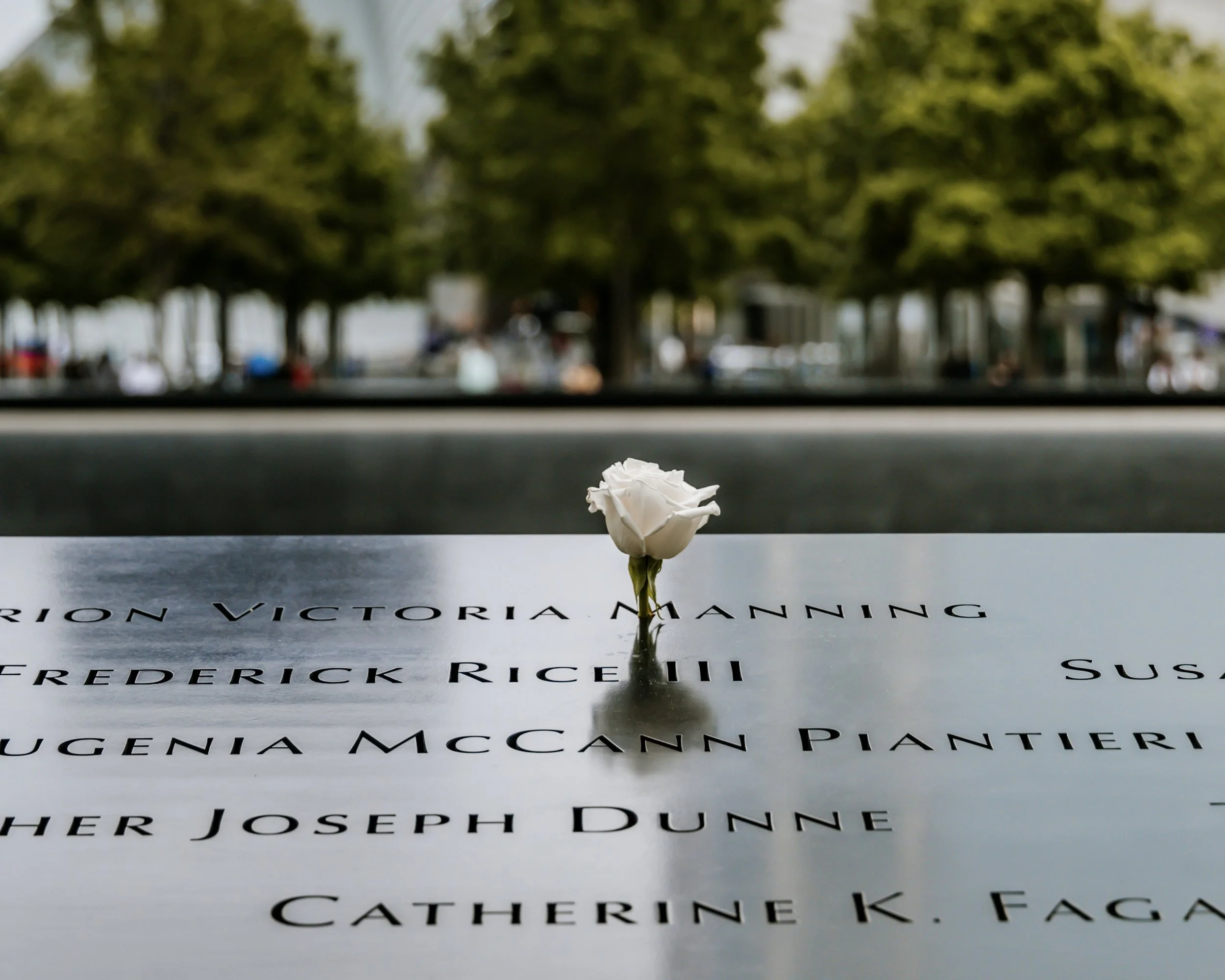
This week, instead of an experiment, we offer a reflection:
Where in your work do you see the balance between strength and fragility?
How do we carry forward lessons from failure, without letting them paralyze us?
What would it mean to shape your own work into something that reminds others of resilience, like Tom Joyce did with the iron?
Sometimes the most powerful experiment is simply to pause, remember and carry forward with intention.
Structural 101: Why the Towers Fell
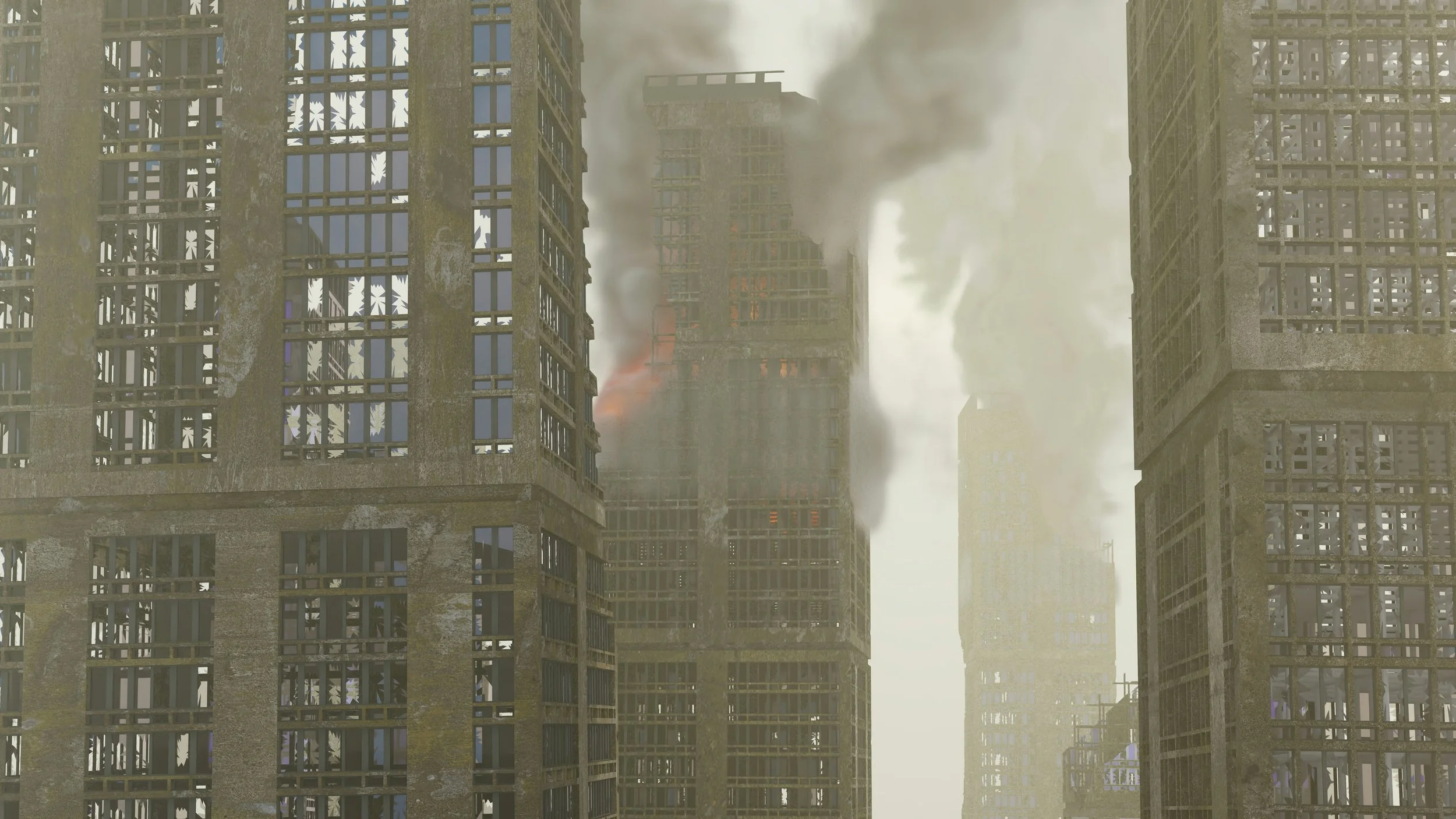
From a structural engineer’s perspective, the Twin Towers were both a tragedy and a feat of engineering.
Each tower was struck by a passenger jet traveling at high speed. The impacts destroyed more than thirty of the perimeter columns and several core columns, yet the buildings did not fall immediately.
Loads redistributed and the towers stood: 56 minutes for the South Tower, 102 minutes for the North Tower. That time allowed thousands below the impact zones to evacuate.
The decisive factor was fire. Impact forces stripped away fireproofing that normally shields steel.
Jet fuel and office contents ignited uncontrolled fires. Steel, strong at room temperature, loses half its strength around 600°C. In places, the towers reached nearly 1,000°C.
Floor trusses softened and sagged, pulling the perimeter walls inward until columns buckled.
Once the upper block began to fall, progressive collapse followed: one floor slamming into the next in a chain reaction that took less than fifteen seconds.
Tests confirmed the steel was sound. The towers did not fall because of weak design or poor construction.
They fell because no building is designed to withstand the direct strike of a fully fuelled airliner followed by uncontrolled fire.
What the tests did show is remarkable: even under catastrophic damage, the towers stood long enough for thousands to escape; a reminder that engineering is not just about strength, but also about buying time when it matters most.
Your Turn: Carry the Memory Forward
This week, take a moment to reflect:
Where do you see symbols of resilience in your own community?
What lessons from structural failure (and human courage) can shape the way you design, build and lead?
How do we honour the past, while building for a future where safety, integrity and humanity remain at the core?
Iron runs through our buildings and also through our veins.
What endures is not only what we build, but how we carry one another through the fire.