
The Iron Triangle, Reimagined
A thought to consider…
Since the 1950s, project managers have lived by the Iron Triangle, balancing cost, time and scope.
“Fast, cheap, good- pick two.”
It’s been the project manager’s law of physics for decades; a geometry of trade-offs that defines what’s possible.
But maybe we’ve been looking at it too flatly.
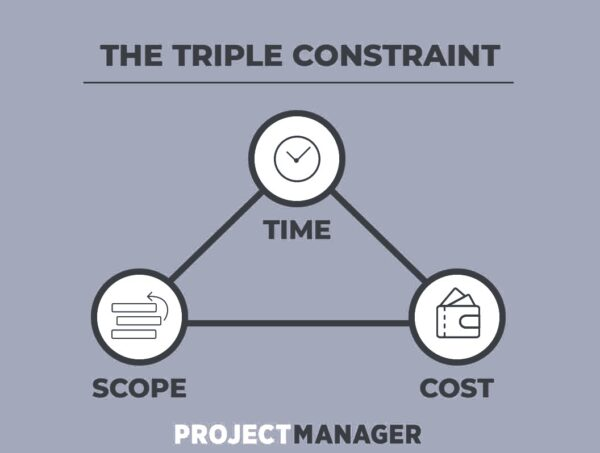
Image SourceThe triangle was never meant to define limits; it was meant to describe tension.
Think about those rare moments when a project just clicks; a collaboration session where you deliver a better design without spending more or a tweak to the schedule that saves time without hurting quality.
Those moments feel like breaking the triangle.
High-performing teams do this often; they seem to defy the old rules.
So we’ve been asking ourselves: what’s really happening there?
What if there’s another dimension we haven’t drawn yet?
Eng-Spire Labs: Adding a Fourth Dimension!
At Eng-Spire, we’ve been experimenting with a new take on the Iron Triangle; one that introduces a fourth axis: Value.
We’re calling this a first draft model (a “rough first draft,” in true creative fashion).
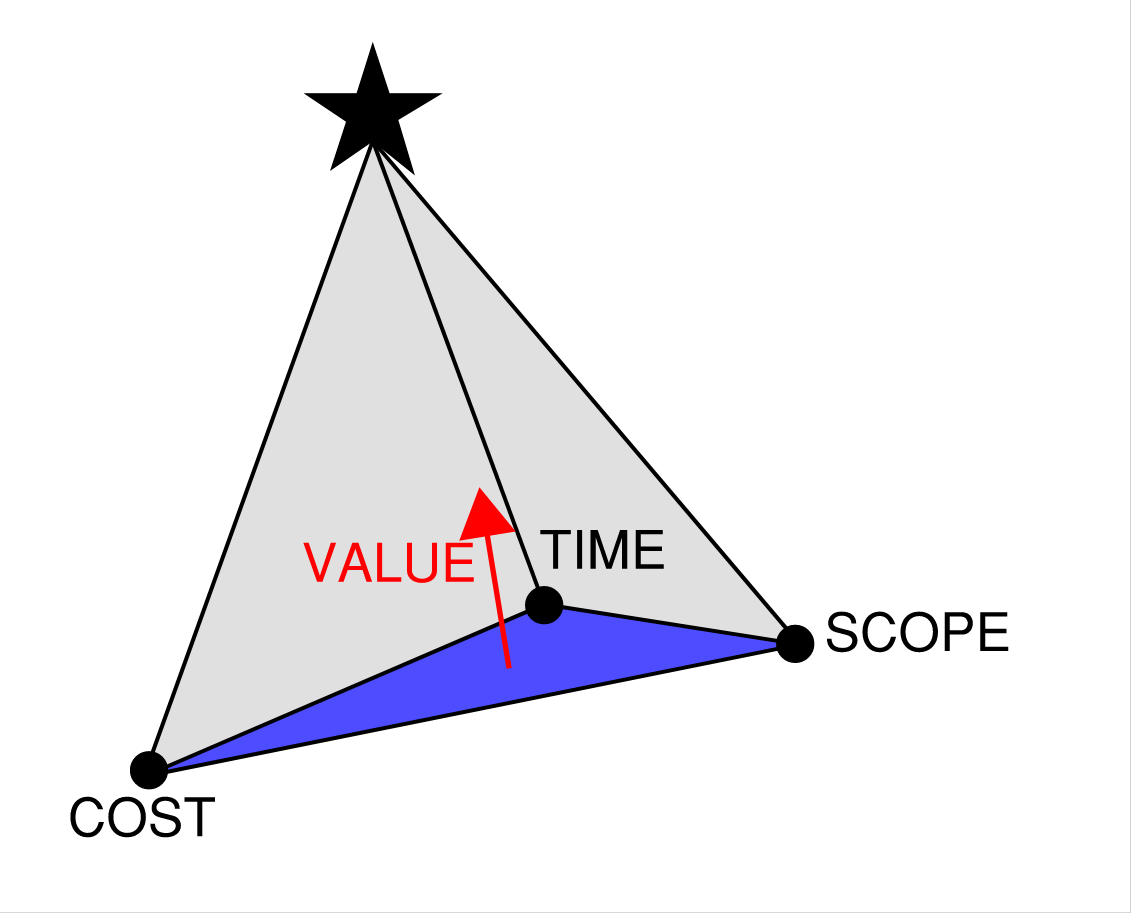
(Concept and illustration by Eng-Spire — an idea in progress, still taking shape.)We’ve noticed something powerful in our projects.
When a team leans into the creative tension between Cost, Time and Scope rather than fighting it, value emerges.
It’s in the back and forth, the collaboration, the “what if we tried this instead” moments where impossible ideas suddenly become possible.
Our best teams, both internal and external, have found ways to defy the old triangle entirely.
Now we’re exploring how this way of thinking might reshape how we plan and deliver projects.
Because Value isn’t about spending more or building faster. It’s about creating better outcomes with the same inputs:
• A school that inspires learning
• A fire hall that lifts community pride
• A workplace that quietly makes life easier for the people inside
When we design for Value, not just around cost, time and scope, the triangle doesn’t flatten projects into compromise.
It rises into a pyramid of possibility.
Structural 101: When Good Design Lifts the Triangle
Every day, structural engineers wrestle with the balance of cost, time and scope.
We rise up the pyramid when ideas cross disciplines and curiosity replaces boundaries.

Integration turns trade-offs into multipliers.
Here are a few ways we’ve seen good design lift the triangle instead of bending it:
Coordinating column grids early can eliminate transfer beams, especially in parkades or mixed-use buildings. Early alignment reduces cost and increases headroom.
Using composite steel beams saves both material and time. When concrete on deck and steel work together, beams shrink, floor-to-floor heights drop and fabrication simplifies.
Rethinking material mixes. Not every building needs to be all concrete or all steel. Use wood, masonry and hybrid systems where they shine.
Involving subtrades early. Bringing steel and formwork partners into design means connections get simpler, detailing gets smarter and construction gets smoother.
The math hasn’t changed. The mindset has.
When disciplines align and trust replaces turf, good design doesn’t fight the triangle; it lifts it.
Your Turn: Add a New Dimension!
This week, ask yourself:
Where are you trading off instead of aligning?
How could early collaboration turn tension into value?
What’s one place your team could build more trust before the next deadline?
The Iron Triangle may define the constraints.
But value (that fourth dimension) is what lets us rise above them.