
The One Question That Changes Everything
A thought to consider…
Gary Keller makes a bold claim: “priorities” is a made-up word.
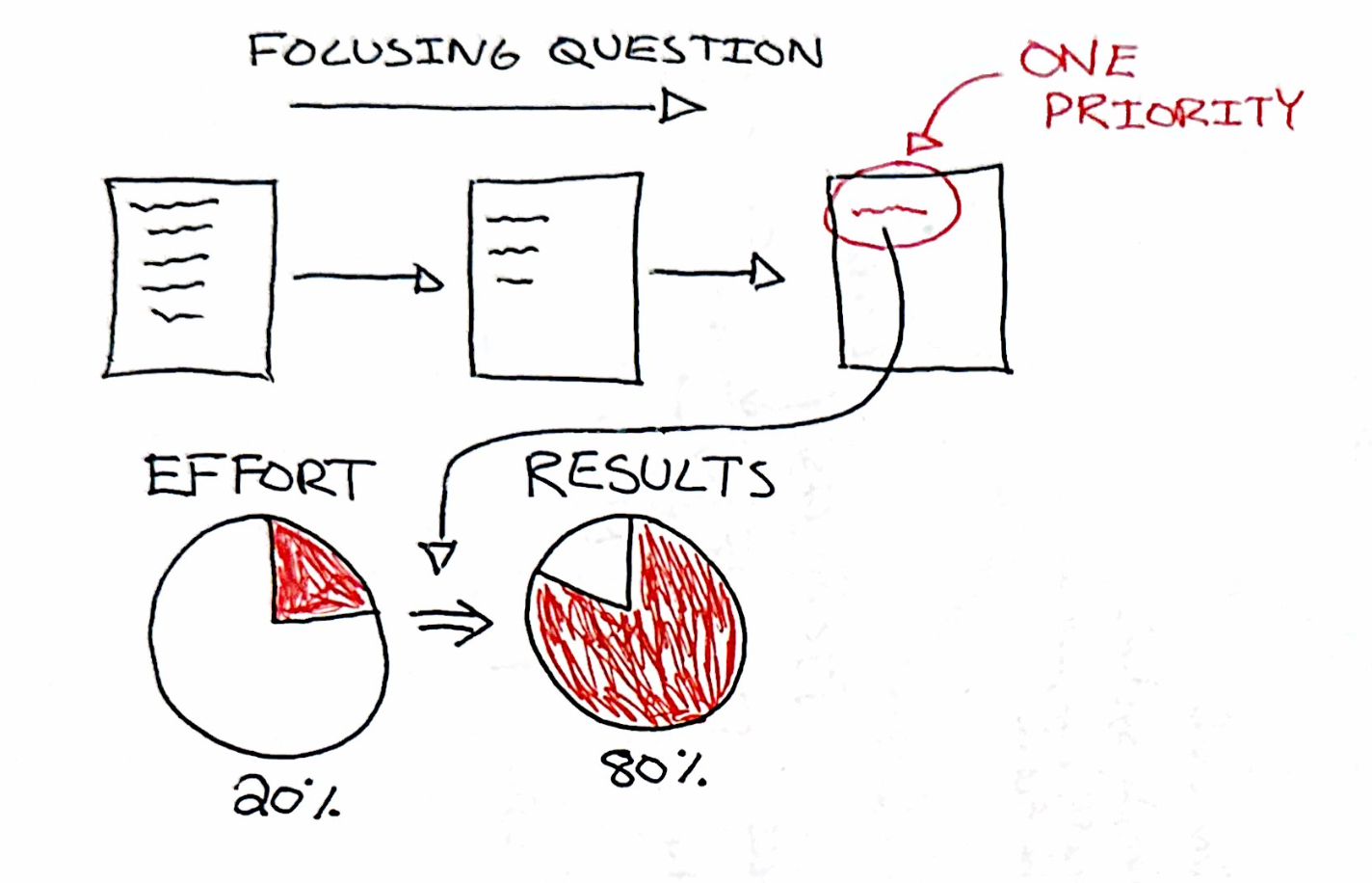
The original word was priority, singular, meaning the one thing.
Not the twelve things.
Not the colour-coded spreadsheet of things.
The one thing.
Somewhere along the way, we collectively decided we were superhuman and could have many top priorities at once.
Cue the structural engineers nodding proudly because we genuinely believe we can optimize everything simultaneously.
But Keller offers a focusing question that shatters that myth:
“What is the one thing I can do such that everything else becomes easier or unnecessary?”
It’s pretty much the 80/20 rule in one sentence.
Use the focusing question to identify the single priority that gives you the greatest return for the least effort, and tailor it to your situation.
Eng-Spire Labs: The One Thing, Five Ways
We wanted to see what the One Thing looks like in everyday work moments.
So we took five everyday contexts and rewrote the focusing question within them.

Think of them as prompts to shape your week:
In a weekly planning meeting:
What’s the one thing we can do on [a project], such that everything else becomes easier or unnecessary?
When choosing what to work on first each morning:
What’s the one thing I can complete this morning such that everything else on my plate becomes easier or unnecessary?
When asking a client for feedback:
What’s the one thing I could do for you, such that everything else for you becomes easier or unnecessary?
When soliciting tough truths:
What’s the one thing that’s on your mind that you haven’t told me, that if you told me everything else for you would become easier or unnecessary?
We would love to hear what your team is trying!
Structural 101: The One Thing Behind the Pre-Eng Question
The One Thing is not just a productivity trick; it’s a design tool.
Nowhere does it appear more clearly than in kickoff meetings across the Prairies when someone inevitably asks:
“Could we just use a Pre-Eng building?”
The contractor leans in with hope.
The architect leans back with suspicion.
The structural engineer begins mentally calculating snow drifts like a meteorologist who’s seen Alberta winters do terrible things.
This is the perfect place to use the focusing question:
“What is the one thing this client values above all else such that by satisfying it, everything else becomes easier or unnecessary?”
If the answer is cost and speed, Pre-Eng often wins the day.
If the answer is flexibility, longevity or architectural expression, conventional steel usually holds the crown.

Pre-Eng Buildings: The Simple Version
They come in two main flavours:
Steel buildings with metal cladding
Fabric buildings stretched over a steel frame
They arrive like a giant Lego kit, and when the use aligns, they can be startlingly cost-effective.
Where They Shine
Quick assembly that keeps schedules happy
Clear spans that make field houses, salt sheds and storage effortless
Lightweight framing that lowers foundation costs
Repeatable systems that reduce surprises
Fabric skins that don’t rust and can be replaced
Where They Fall Short
Limited customisation (rooftop units, solar, etc. are challenging)
Modest envelope performance, especially with fabric
Architectural expression… not their strength unless you love “big tent chic”
Snow drifting and sliding loads can be a math workout
Durability and lifespan below that of conventional steel
Lead times depend heavily on factory backlog
Flat roofs are basically off the menu
What You Should Weigh
Cost
Schedule
Future customization
Clear-span needs
Envelope performance
Durability
Corrosion protection
Future expansion
Architectural intent
Bring it back to the One Thing.
If you know what the building must excel at above all else, the right system usually becomes obvious.
And when the debate starts?
Ask the question again.
Your Turn: What’s Your One Thing?

This week, try asking the focusing question in one meeting, one project and one conversation.
What’s the one thing that, if done well, would make everything else easier or unnecessary?
Clarity rarely comes from doing more.
It comes from choosing less, on purpose.