
Before the Blueprint
This year, The Inspirer is taking a slightly different shape, slowing down to explore one idea at a time and seeing where it leads.
This week we are exploring how our assumptions shape the spaces we build.
Every building carries beliefs.
Not just budgets and codes, but assumptions.
Quiet expectations we bring with us.
Memories of spaces we’ve experienced before.
Those beliefs don’t stay abstract.
They get built into the work.
They show up in materials and lighting.
In circulation and sound.
In how a space feels the moment you walk in.
What if the spaces we design are shaped by what we expect them to be?
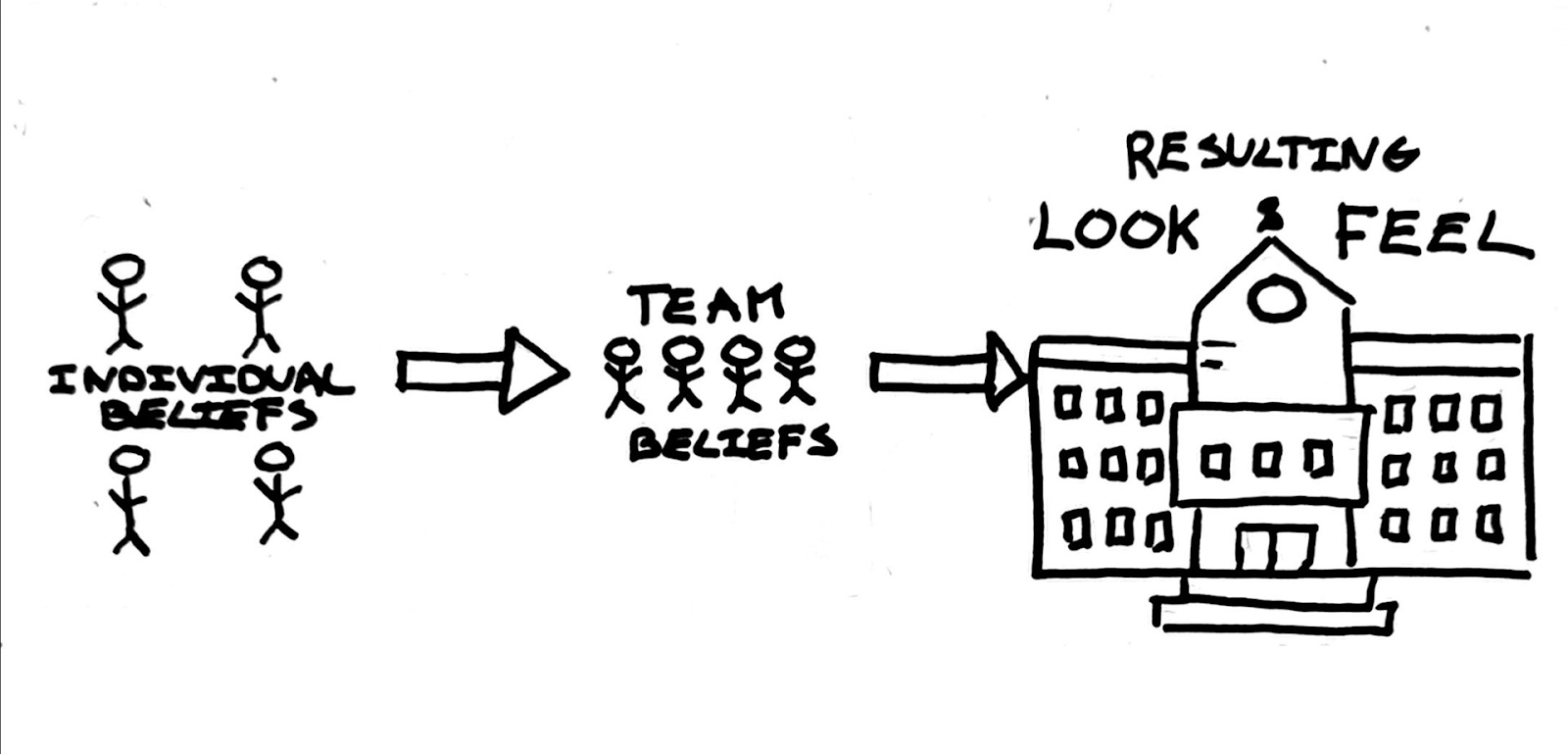
Where do those beliefs come from?
Often, from our worst experiences.
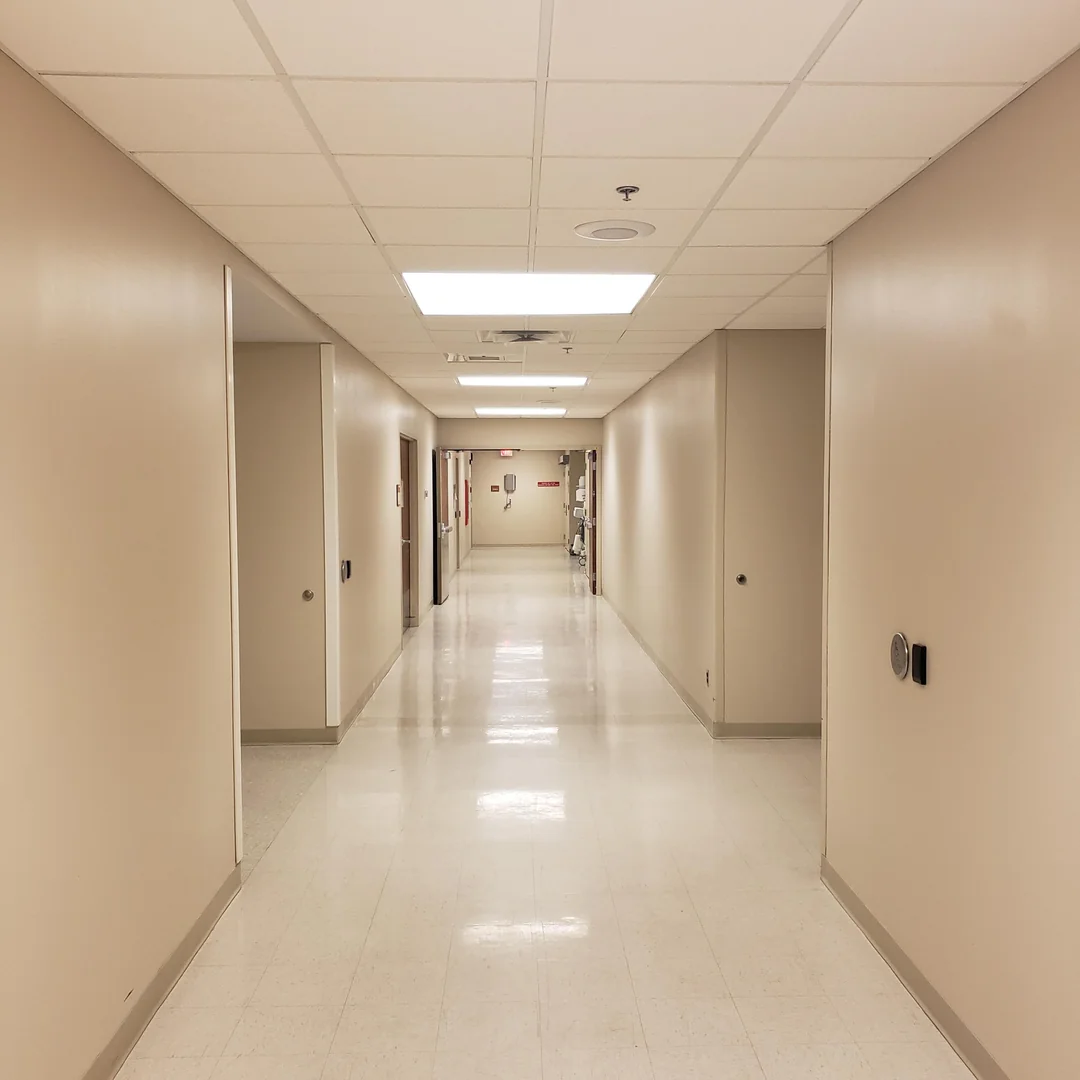
Hospitals feel sterile and intimidating.
Schools feel crowded and uninspiring.
Continuing care facilities feel institutional, sad and disconnected from life.
When these assumptions go unexamined, they quietly become the baseline.
Teams inherit them.
Designs reinforce them.
And underwhelming outcomes get justified as “just how these buildings are.”
A simple shift in perspective
While beginning design on a new Continuing Care Facility with CvdZ Architecture for Choices in Community Living, the project team was guided through a simple exercise.
First, we named our past experiences with these types of buildings and how they made us feel.
The responses were immediate and familiar: long identical corridors, flat colours, constant alarms, unpleasant smells, cold handrails, hard vinyl floors.
Feelings of discomfort.
Of wanting to leave.
Then the question changed.
What would we want this building to feel like once it’s open?
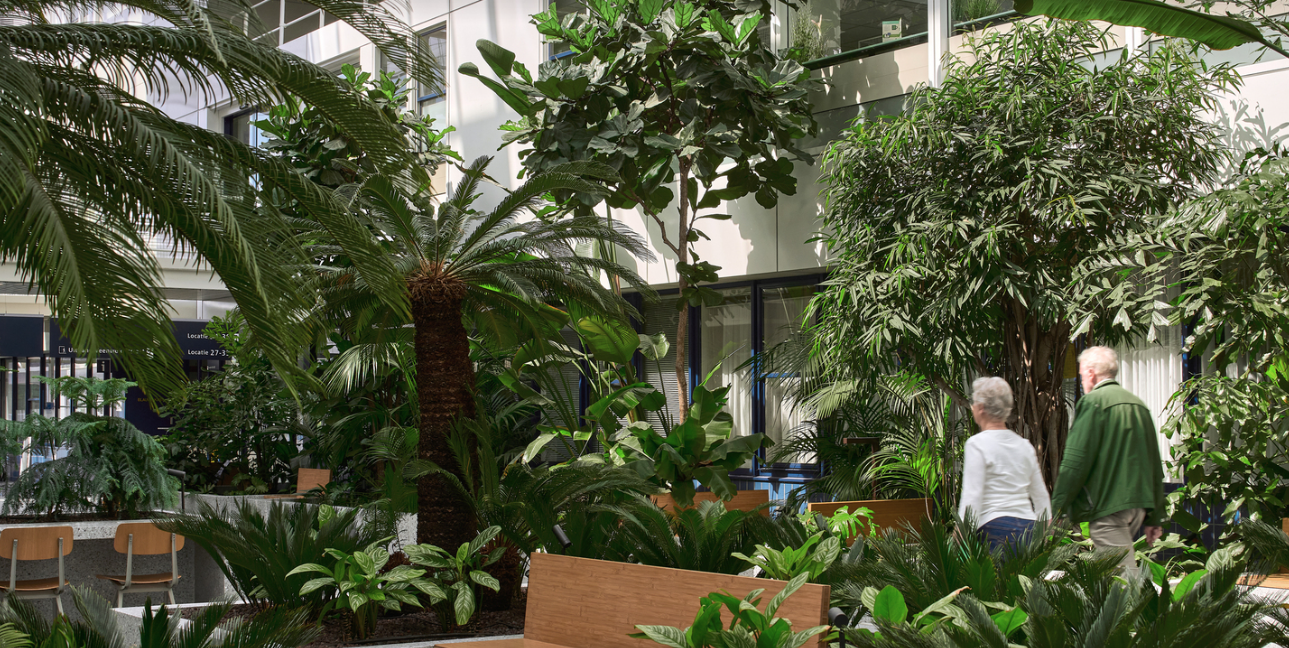
Image Credit: Arch DailyEverything shifted.
Toward warmth.
Toward familiarity.
Toward soft surfaces and natural light.
A place that felt like home.
It became clear which set of beliefs would lead to a better outcome.
While this project is just beginning, it offers an important reminder: if we don’t question our assumptions, we will keep building them.
Working with clients like Choices in Community Living, where the mission is clear and deeply human, makes this kind of rethinking possible.
If you’re interested in how they are redefining dementia care environments, you can explore more here: dementiacarebydesign.com
As you move through the spaces you inhabit this week, it’s worth asking:
What assumptions might be quietly shaping them and what could change if you paused to question one?