
The Cost We Don’t See
Zero Carbon Buildings
What does it cost not to build them?
Every building leaves a footprint.
When a building lasts, so do the consequences.
In our industry, the conversation has evolved from Net Zero Energy to Net Zero Carbon; even though neither is being achieved consistently today.
Net Zero Energy focuses on balancing energy use and production.
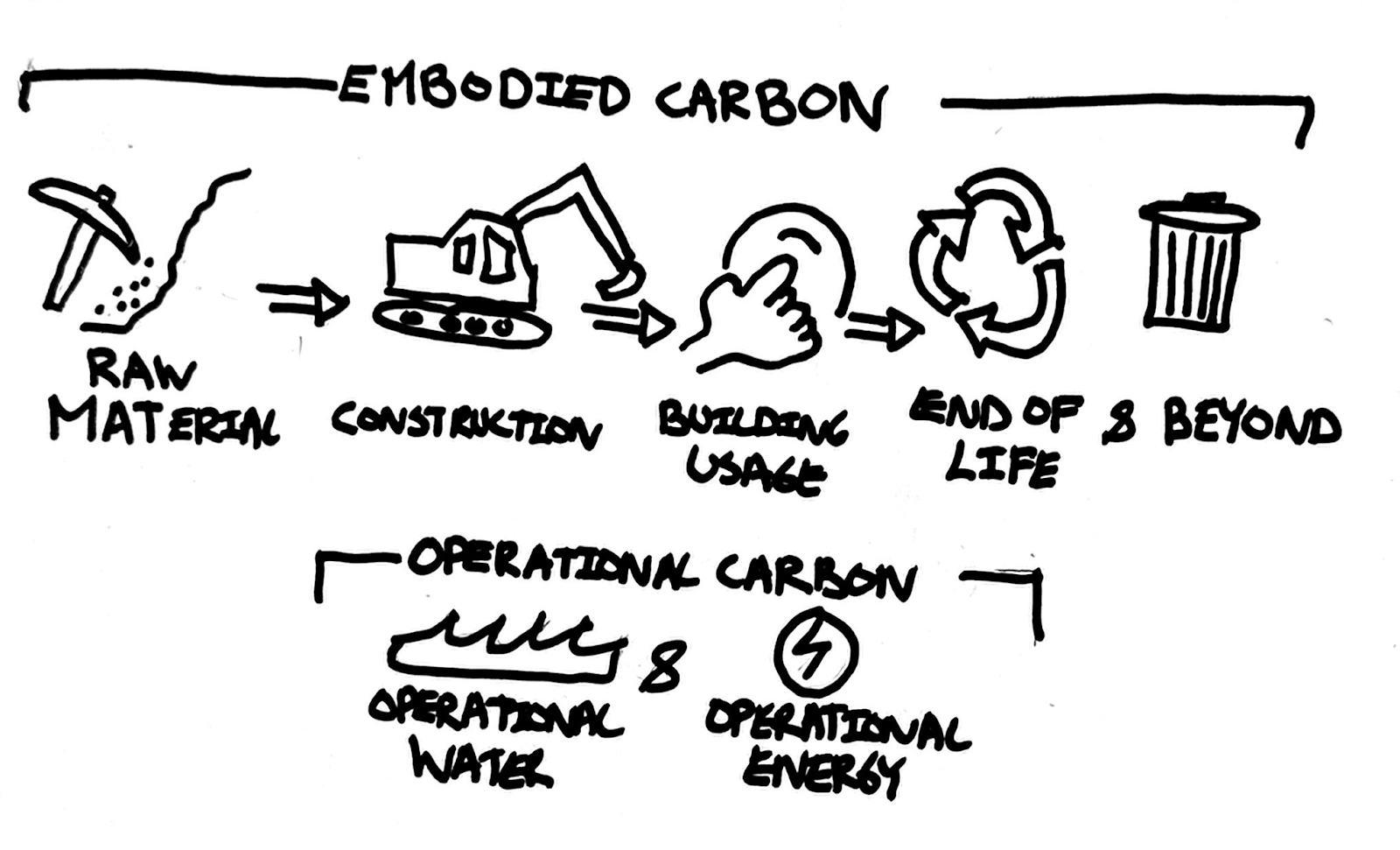
Net Zero Carbon takes a wider view, accounting for carbon across a building’s entire life, from construction to operations, to demolition and beyond.
It’s a more honest accounting. And a more uncomfortable one.
The familiar pushback?
“We’d build Zero Carbon Buildings if the financials worked.”
In Alberta, the challenge is real.
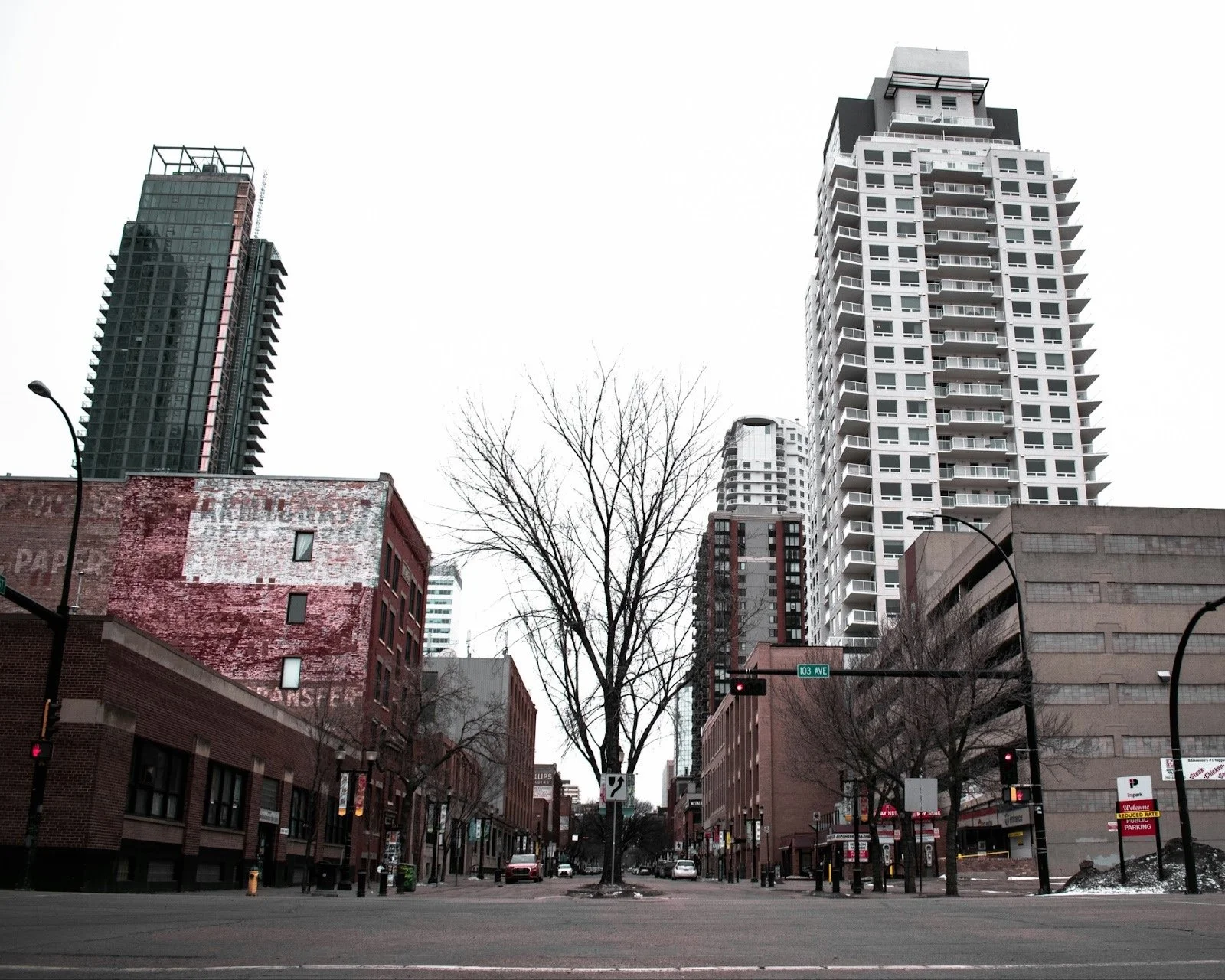
Our electricity grid is carbon intensive.
Natural gas is cheap.
Cold winters increase demand.
Taller buildings and sloped roofs limit solar potential.
On paper, the case against Zero Carbon Buildings can look strong.
And that’s exactly where the mindset becomes dangerous, because the question we ask shapes the answers we accept.
Today, we often ask:
How much does it cost?
Are we asking the wrong question?
A better question might be:
What does it cost not to?
According to the Canadian Green Building Council, Zero Carbon Buildings carry an average 8% incremental capital cost.
That number sounds different when framed as a down payment, not a penalty.
A down payment that also acts as an insurance policy, against rising carbon taxes, rising energy costs and future regulatory shifts.

As structural engineers, there’s a responsibility that energy conversations often overlook: embodied carbon.
Material selection.
System efficiency.
Designing to use less material, not just different material.
These decisions shape a building’s carbon footprint long before it’s occupied.
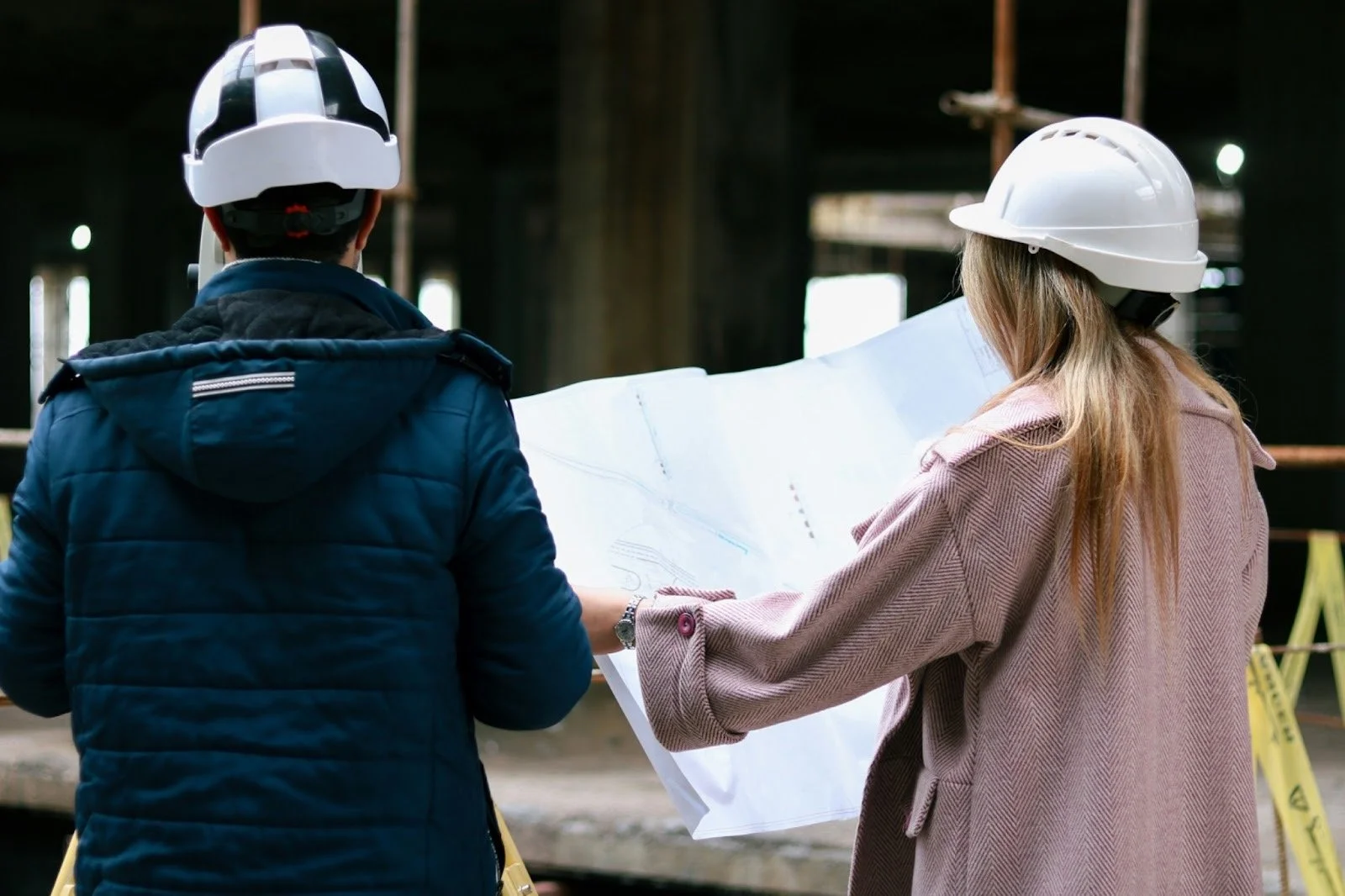
Tools like Whole Building Life Cycle Assessment (WBLCA) exist specifically to support this work, but only if they’re used early enough in the design process to influence outcomes.
The tools exist.
The awareness does not, at least not yet.
If Zero Carbon Buildings are going to become the norm, the shift has to start earlier and with clearer understanding of both cost and consequence.
If you’re interested in how the Canadian Green Building Council is outlining the costs and benefits of Zero Carbon Buildings, their work here is a helpful place to start.
As you think about the projects you’re working on this week, it’s worth asking:
What decisions are being driven by short-term cost and which ones might shape the footprint of this building for decades to come?
This year, The Inspirer will continue exploring the ideas that quietly shape the buildings we live in and what becomes possible when we’re willing to reframe the questions.