
Less Speed. More Care.
Have you heard of the slow movement?
It began quietly in the late 1980s, when Carlo Petrini pushed back against fast food and the growing frenzy of modern life.
Slow Food wasn’t about doing less; it was about doing things with care. Taking the time. Paying attention.
Since then, the idea has spread.
Slow Schooling reduces the pressure of exams and constant testing.
Slow Cities are pedestrian-centric, locally rooted, human-scaled places.
Different fields.
The same message.
Speed is not always progress.
And yet, we cling to speed.
Speed feels productive.
Speed feels competent.
Speed feels experienced.
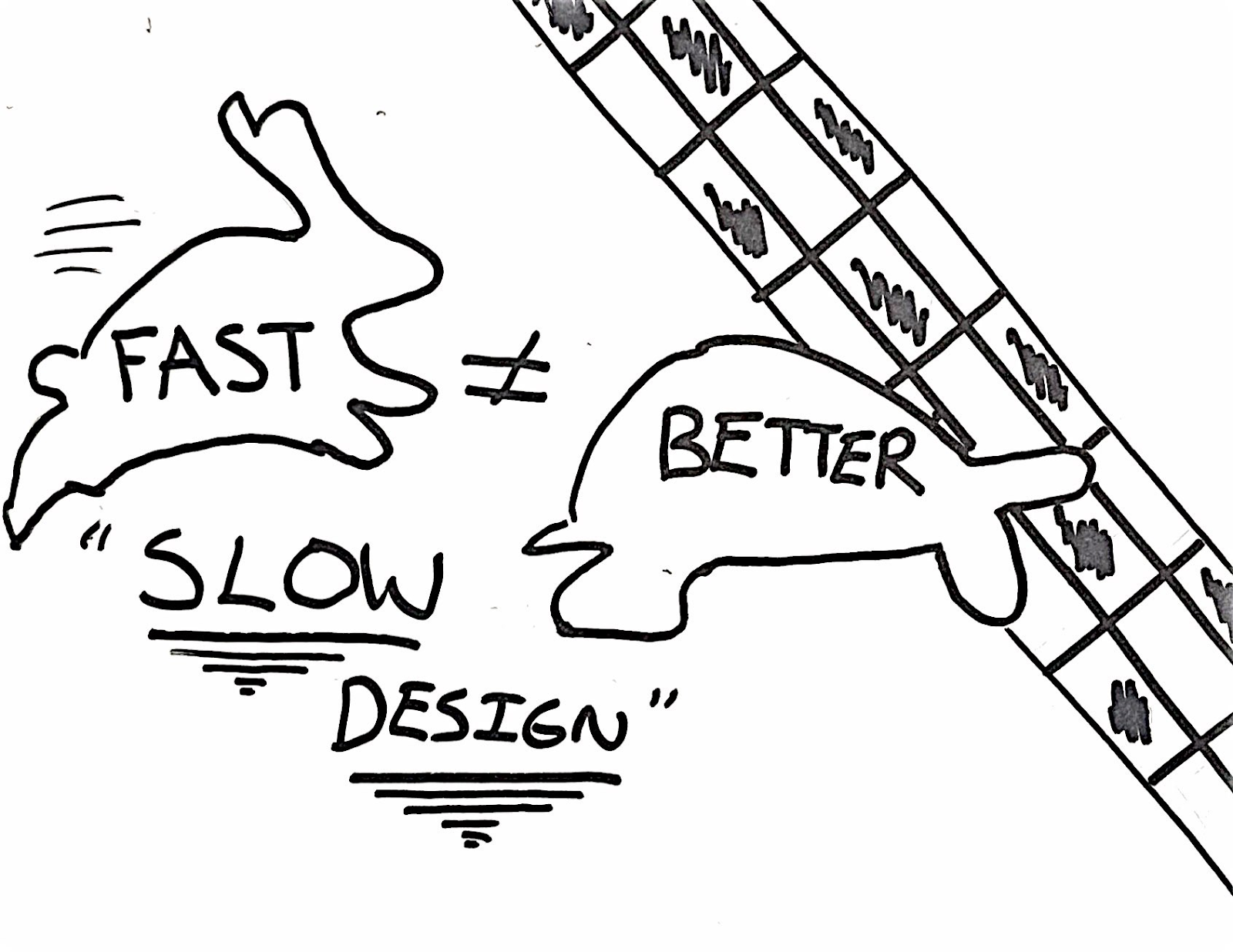
In our industry, speed is often mistaken for expertise.
Lower fees imply better engineers who can do things faster.
We’ve even heard it said that the difference between a “good” engineer and a “bad” one is how long something takes.
Fast is praised. Slow is suspicious.
In construction, cost and speed are paramount. Contractors win work based on how quickly they can deliver.
When everything gets rushed, teams become overloaded.
QA/QC gets compromised.
Problems surface later (during construction) when change is expensive and stressful.
We check boxes for code compliance and technical correctness, but something important gets lost.
The human experience.
In much of the Western world, time is seen as linear.
Time is money. Once it’s gone, it’s gone.
Carl Honoré describes this mindset in In Praise of Slowness as one where even instant gratification isn’t fast enough. Technology only amplifies it.
Buildings feel this pressure too.
Templates.
Copy-and-paste designs.
Quick tenders.
What if there’s another way?
Slow design isn’t about inefficiency. It’s about giving the whole human experience space to show up.
It asks the questions that don’t fit neatly into schedules:
Who might be harmed by this space?
Who might it exclude unintentionally?
What histories and meanings live inside the materials, shapes and forms we design?
We’ve seen the value of this approach firsthand in a mental health facility we’re designing for CASA Mental Health.
What feels neutral to one person can be deeply triggering to another.
The IPD team intentionally slowed the conversation down.
Voices that aren’t always part of the process were invited in, including an employee who supports Indigenous children, youth and families.
The insight was powerful.
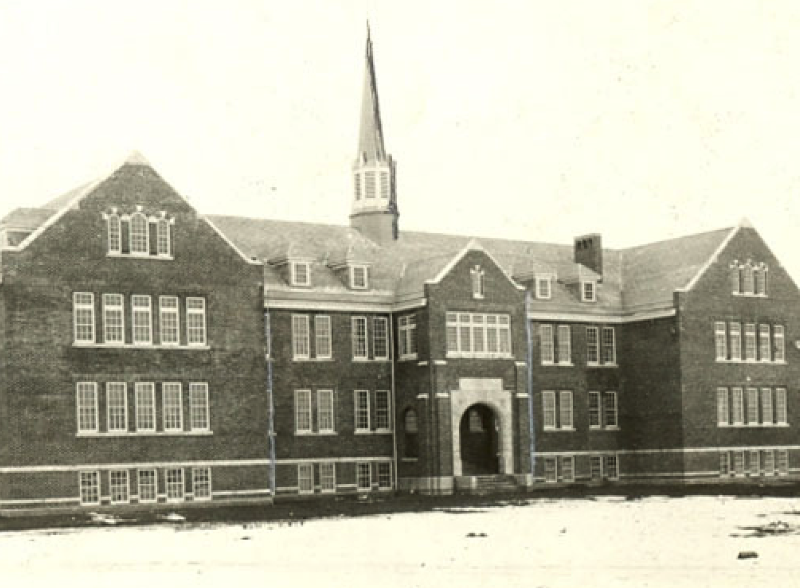
Red brick (often seen as warm, natural and desirable) carried painful associations. Pointed, steeple-like forms recalled residential schools.
That understanding changed the design.

The project found its identity in a different symbol: the dandelion.
A plant often overlooked, yet remarkably resilient. Thriving through difficult conditions. Moving through cycles.
A symbol of hope and transformation.
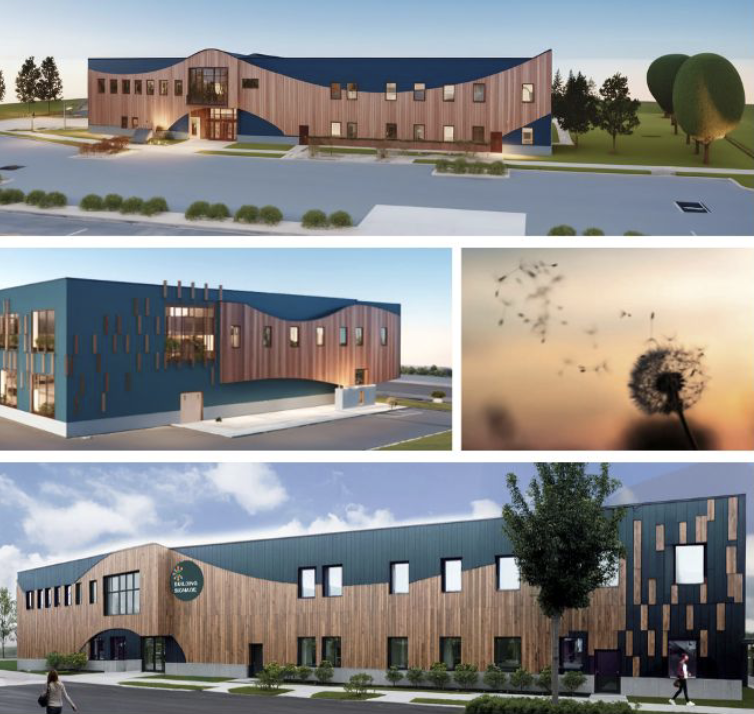
The exterior of the building was shaped around this idea; a metaphor that only emerged because there was space for it to do so.
Fast buildings meet requirements.
Slow buildings meet people.
If we want spaces that truly serve, inspire and heal, we need teams that know when to move quickly and, more importantly, when to slow down.