
Why Do Buildings Die Young?
Let’s double-click on the tension between today and tomorrow.
We often assume that building resilient buildings costs more.
That longevity is simply a trade-off.
That the choices we make today determine the payoff tomorrow.
If we want a building to last, we choose stronger materials.
Concrete lasts longer than wood.
Steel means permanence.
Durability is a material decision.
That’s the story.
But the data tells a different one.
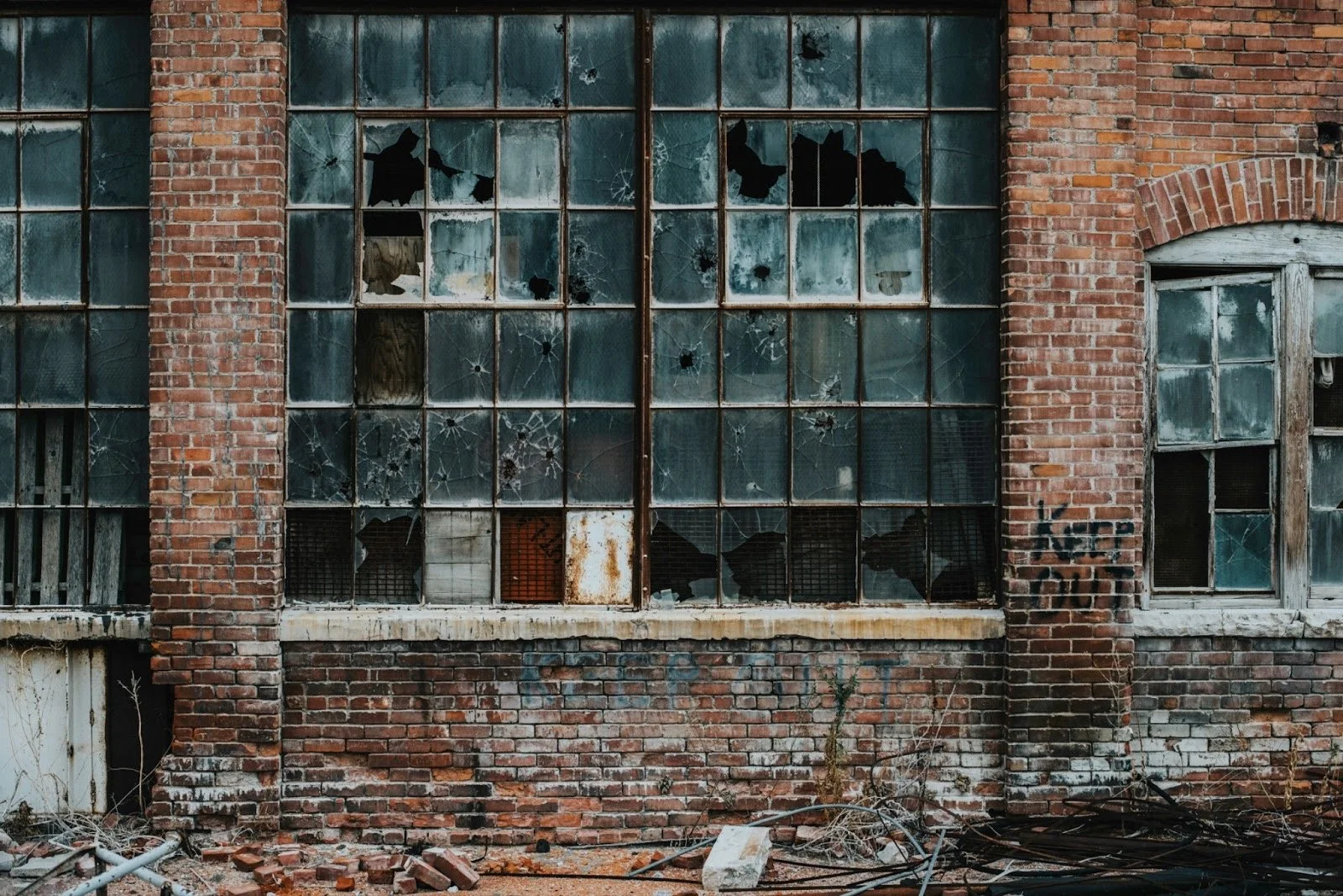
A demolition survey of 227 buildings in a major North American city found no meaningful relationship between structural material and actual service life.
Read that again.
No meaningful relationship.
Most of the demolished steel-and-concrete buildings were less than 50 years old.
Only 3.5 percent were torn down because of structural failure. The bones were usually fine.
So why were they demolished?
Area redevelopment.
Lack of maintenance.
No longer suitable for their needs.
Not collapse.
Obsolescence.
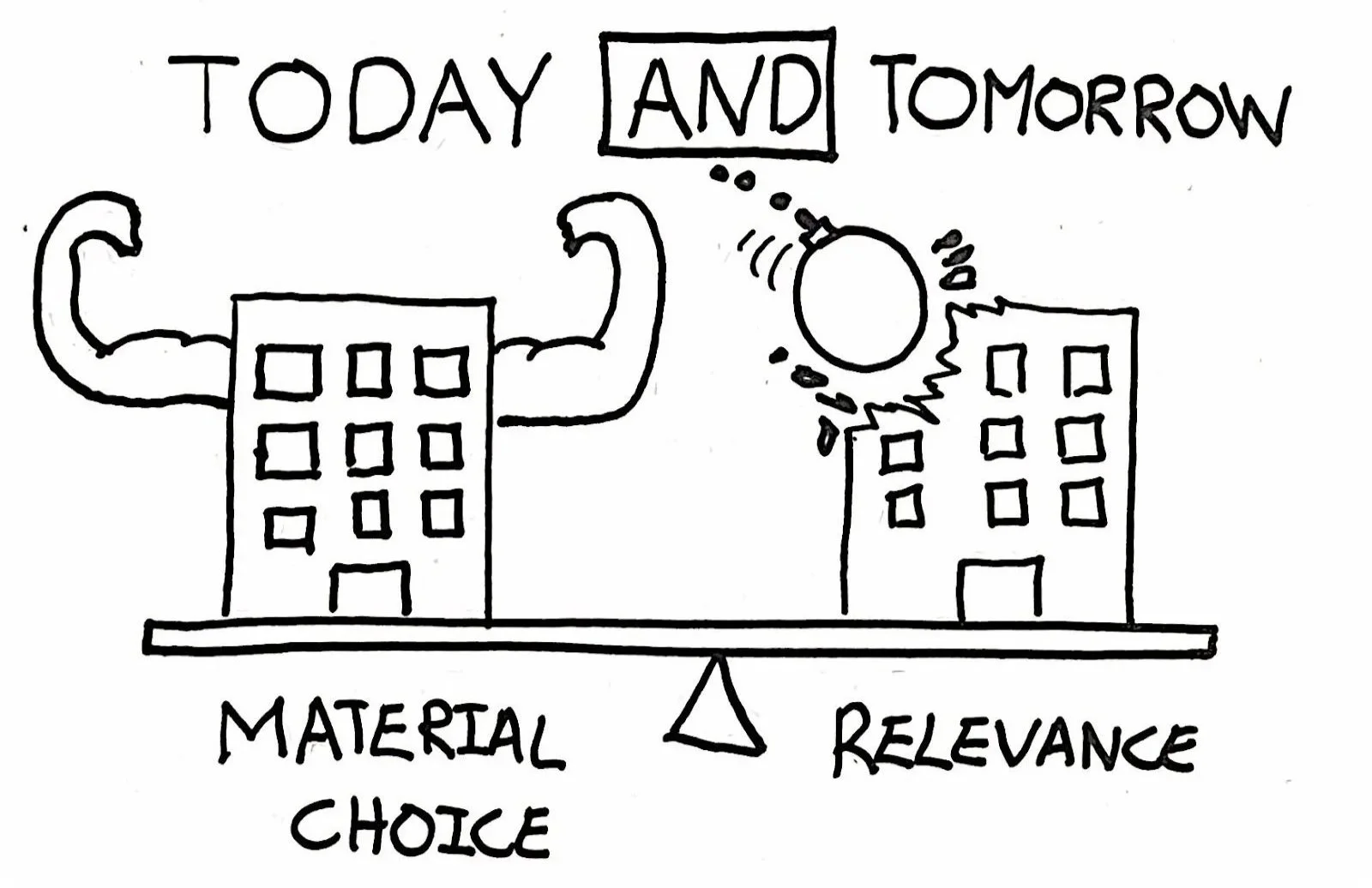
This challenges one of the most persistent myths in our field.
We often talk about durability as if it lives inside the material.
The research suggests durability is more often lost in planning.
Steel buildings under 50 years old weren’t demolished because they failed structurally.
They were demolished because they no longer fit the land value.
Because they were too small.
Because they were overly specific to a single use.
The structure endured.
The building did not evolve.
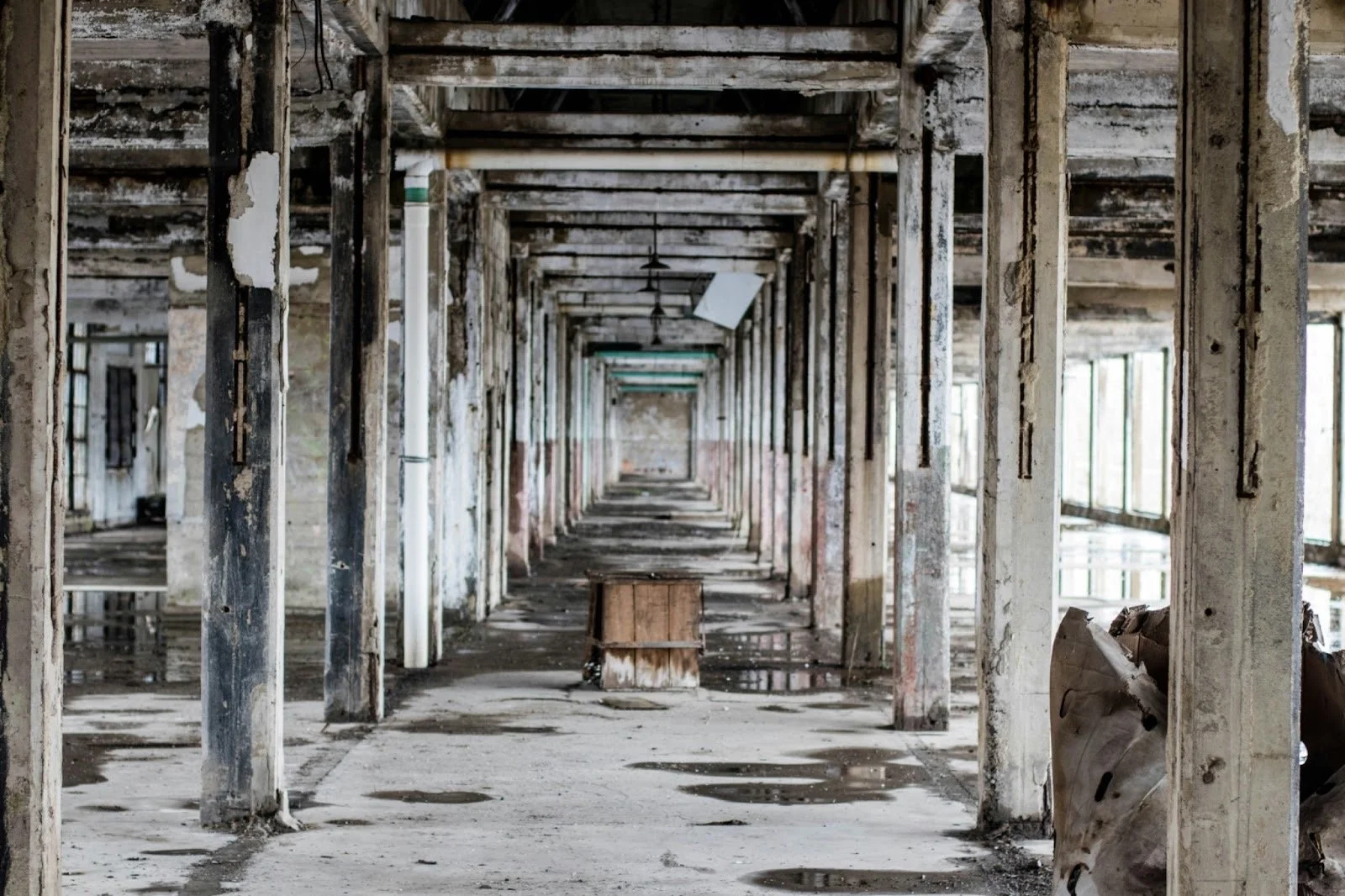
Building codes (including the National Building Code of Canada) are primarily written for life safety.
Many assumptions revolve around a nominal 50-year service life.
But real-world service life is rarely determined by compressive strength.
It’s determined by relevance.
A parking garage designed for one configuration.
A big-box store built for one tenant model.
An office floor designed for a single era of work.
When the world changes, the building disappears.
We don’t just design structures.
We design placeholders on land.
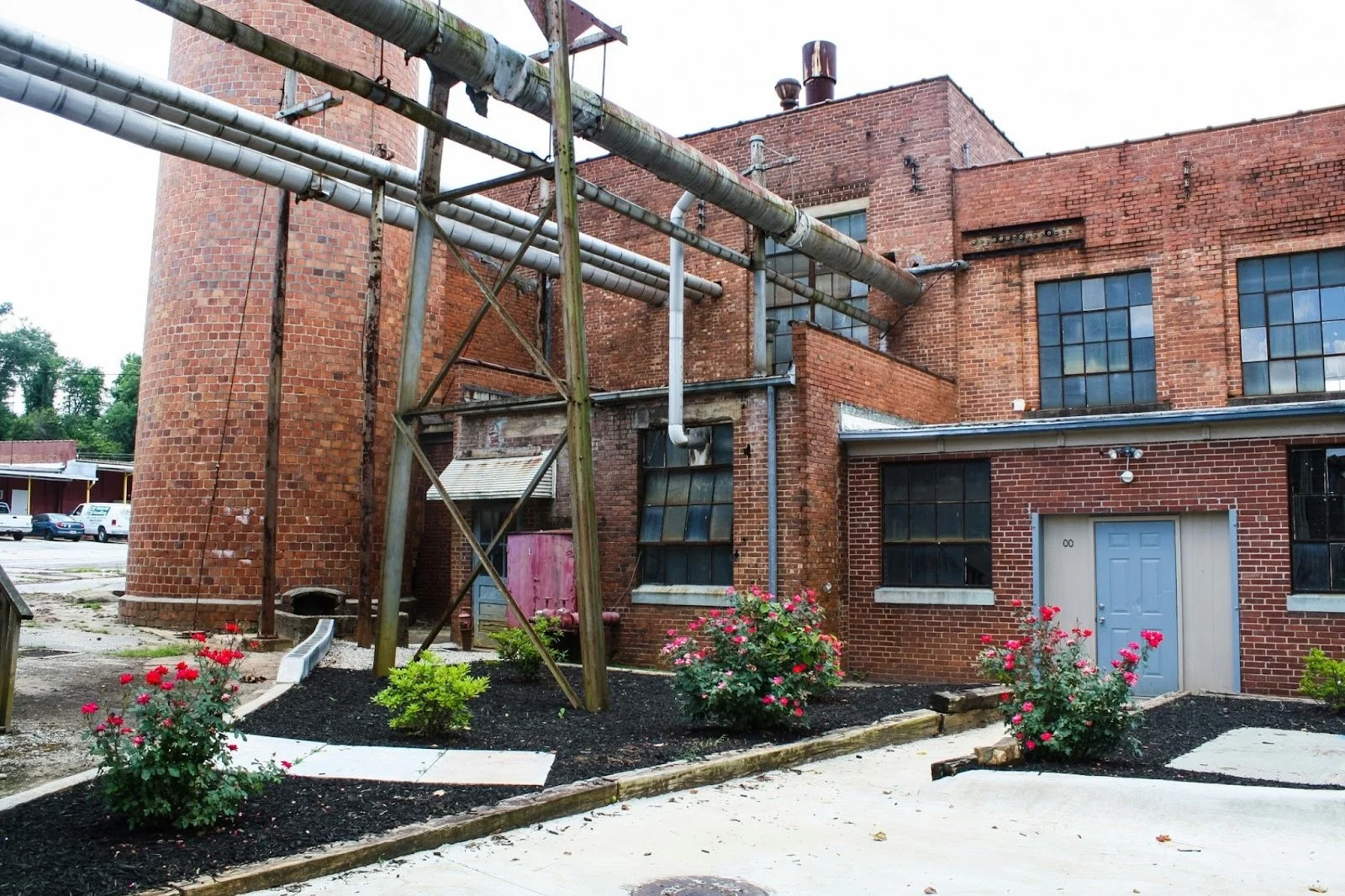
If redevelopment is the dominant driver of demolition, then flexibility and adaptability matter as much as strength.
Maybe more.
A code-compliant building protects the occupants.
A durable material does not guarantee a durable building.
If we want buildings that last, we need to stop arguing about steel versus wood and start designing for change.
Old question:
What material will last the longest?
Better question:
What design will stay useful the longest?