
Record Rain. Standing Roofs.
According to Environment Canada, Edmonton has experienced its wettest summer on record.
By the end of July, the city had received roughly 580 mm of rain since June 1, shattering the previous summer record of 417 mm, set in 1953.
June broke a 112-year-old rainfall record, while July came within a few millimetres of breaking its own 125-year-old record.
Storm sewers were overwhelmed, basements flooded across the city and residents were even asked to limit water use to help prevent sewer backups.
So why didn't flat roofs start collapsing?
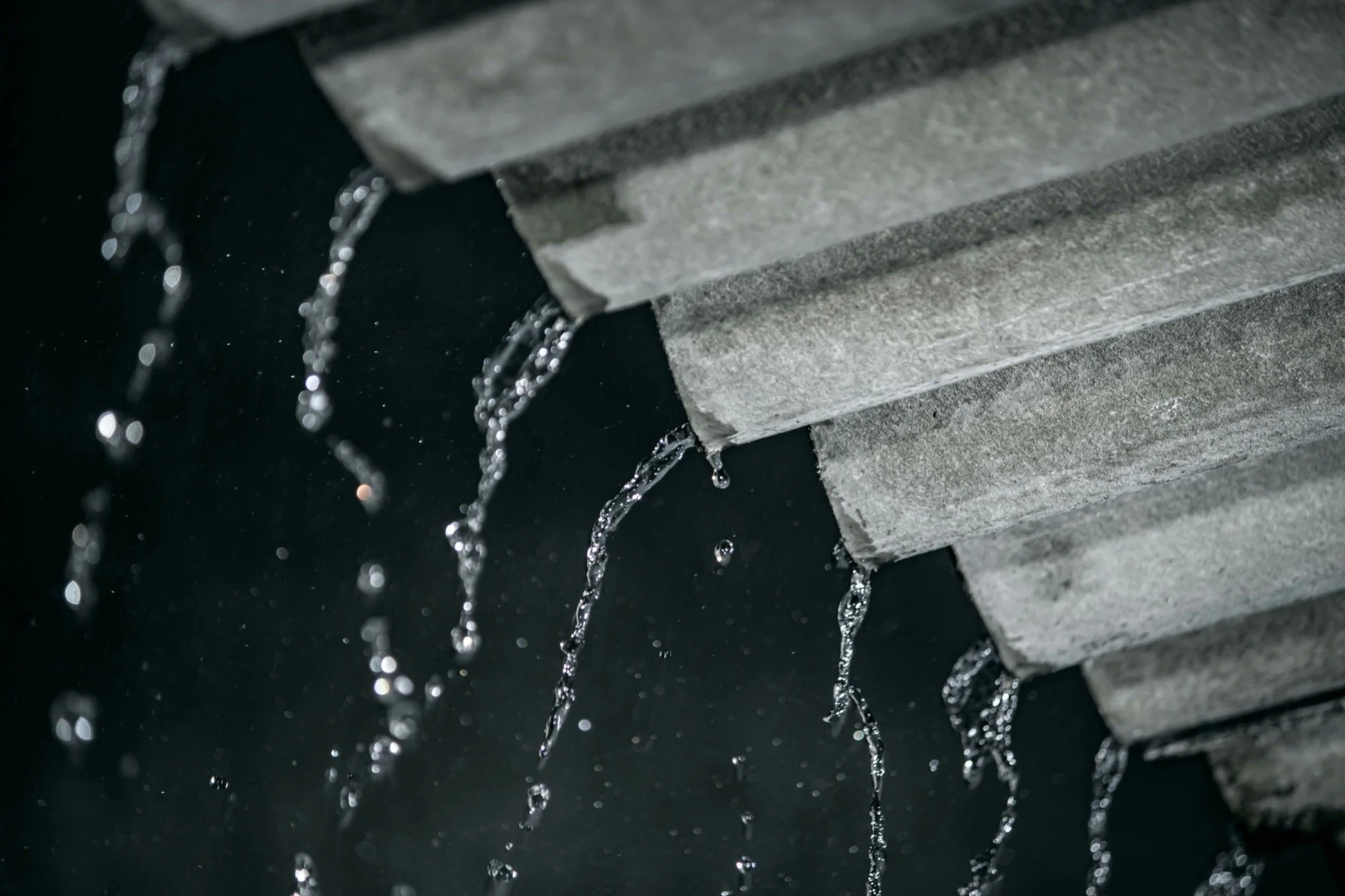
Here's the surprising part.
Structural engineers design roofs for extreme rain.
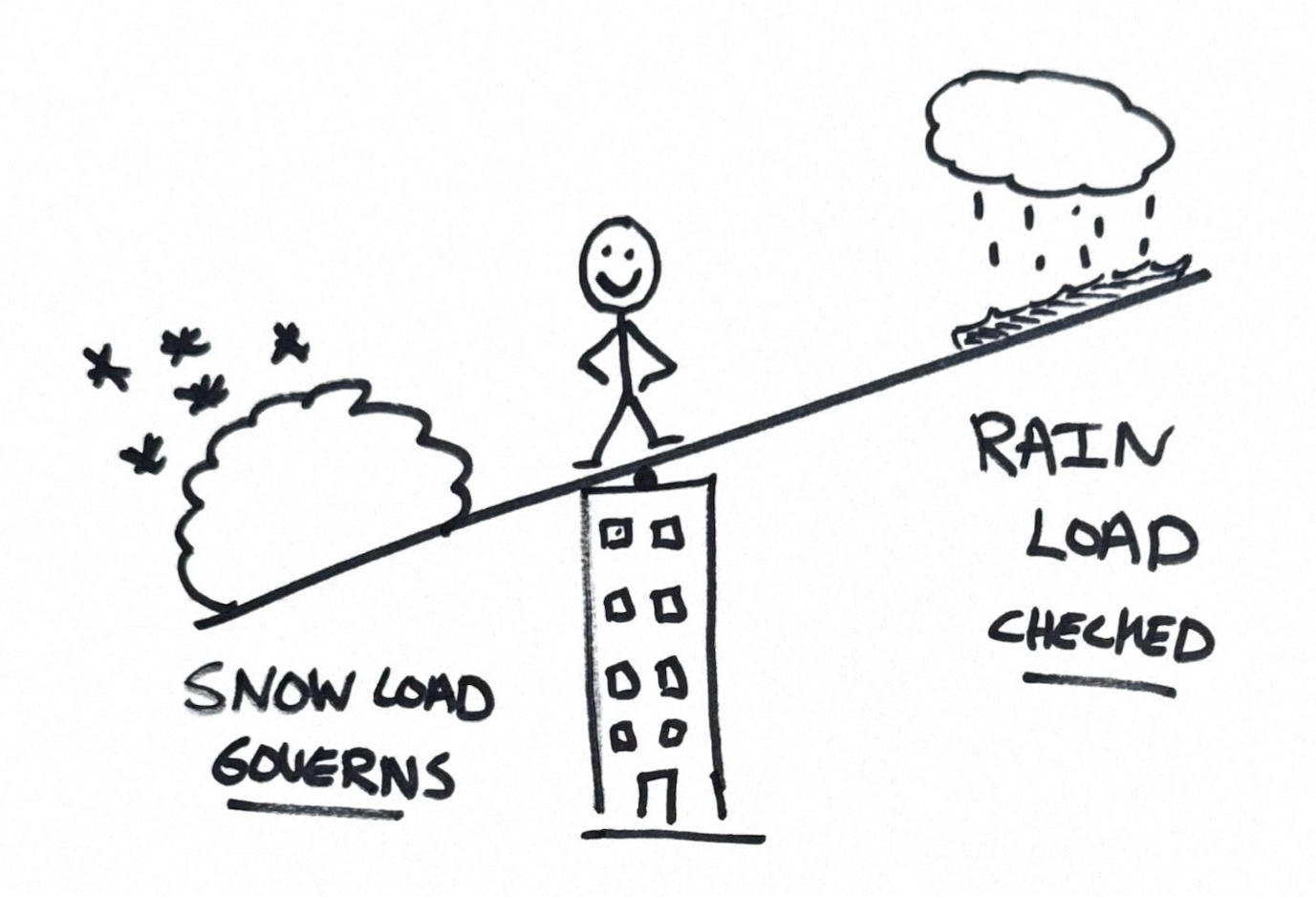
But rain rarely governs the structural design where we live.
Snow does.
In Edmonton, snow loads are typically much heavier than the loads created by rainfall.
That means a roof designed to withstand a typical Edmonton winter already has significant reserve capacity for most rain events.
The real concern isn't how much rain falls over an entire summer.
It's ponding instability.
Imagine a roof that sags just slightly beneath standing water.
That small depression holds a little more water.
The additional water causes a little more deflection.
Which creates a deeper pond.
Which holds more water.
It's a feedback loop.
If the roof wasn't designed to resist ponding, or if roof drains can't remove water quickly enough, that cycle can accelerate until failure occurs.
That's why engineers don't focus on seasonal rainfall totals.
We focus on rainfall intensity.
How much water arrives in a short period of time?
Can the drains keep up?
Will the roof remain stable while water temporarily accumulates?
Those are the questions that matter.
This summer also raises a bigger question.
What happens if today's extreme weather becomes tomorrow's normal?
Our design standards are based on decades of historical climate data, but climate itself isn't static.
If intense rainfall events become more frequent while snow loads remain relatively unchanged, engineers may eventually need to rethink which hazards truly govern roof design.
Whether this summer proves to be an outlier or the beginning of a longer trend remains to be seen.
But that's what engineering has always been about.
Not predicting the future with certainty.
Designing for uncertainty with confidence.