
The Hidden Cost of Boring Buildings
Some people think beauty is optional.
As long as a building functions...
Who cares what it feels like?
But science keeps telling us something different.
Spaces are never neutral.
They quietly shape how we think, feel and behave.
Natural light improves mood.
Views of nature reduce stress.
Thoughtfully designed public spaces encourage people to gather, linger and connect.
Poorly designed environments can increase stress, anxiety and even aggression.
The spaces we occupy influence us far more than we realize.
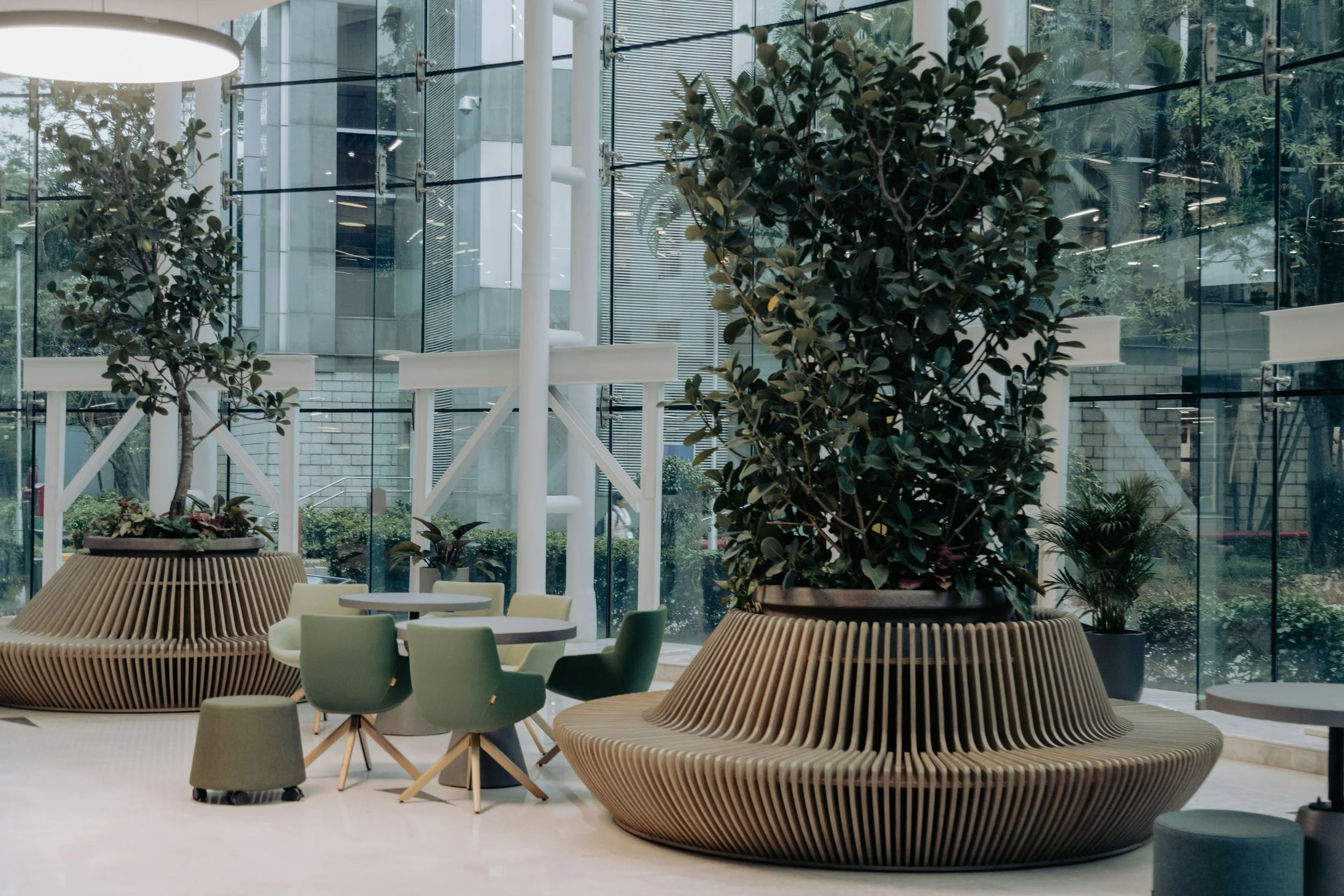
Researchers studying neuroaesthetics (the science of how beauty affects the brain) have found that beautiful environments activate many of the same reward systems as music.
They reduce stress.
Increase curiosity.
Improve attention.
Even encourage empathy.
Beauty isn't simply something we enjoy.
It's something our brains are wired to respond to.
Think about a straight line across an open field.
Your eye notices it immediately.
Nature rarely creates perfect straight lines.
Instead, it gives us curves.
Branches.
Ripples.
Organic patterns.
Our brains evolved in those environments.
Now imagine spending decades inside buildings made almost entirely of flat walls, sharp corners and repetitive forms.
When the spaces around us consistently lack the qualities our brains naturally respond to, they can quietly contribute to higher stress, lower well-being and mental fatigue over time.
That's one reason biophilic design has become so important.
Daylight.
Wood.
Plants.
Natural materials.
Views outdoors.
These aren't design trends.
They're ways of creating spaces that better reflect the environments humans evolved within.
As Winston Churchill famously observed:
"We shape our buildings; thereafter they shape us."
That may be one of the most important responsibilities designers carry.
Every building teaches people something.
Some spaces invite curiosity.
Some encourage collaboration.
Some calm us.
Others leave us feeling disconnected without us ever understanding why.
Yet beauty is often one of the first things sacrificed during design.
It doesn't appear in a structural calculation.
It doesn't fit neatly into a cost estimate.
It can feel like an optional extra.
But beauty isn't decoration.
It's infrastructure.
Infrastructure for human experience.
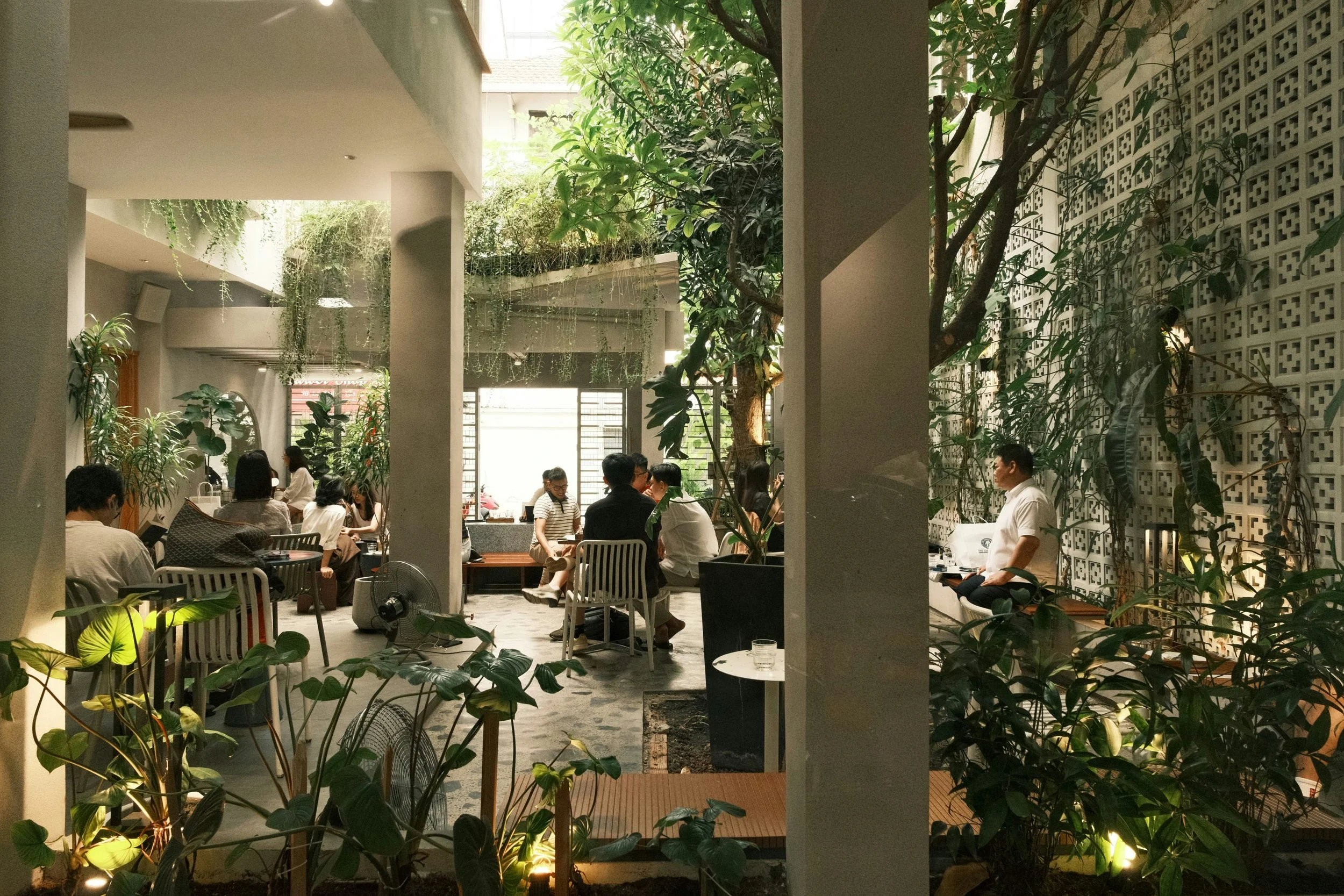
Buildings often last fifty, or even one hundred years.
Long after construction budgets are forgotten, people will still be living, working, learning and healing inside the spaces we've created.
We don't just design buildings.
We design the experiences people will have within them.
And that responsibility deserves as much attention as any drawing, calculation or specification.