
The Grid is Destiny
Architects may shape the experience of a building, but the structural grid quietly decides what that building can become.
The column layout is the building’s genetic code; its DNA.
Once it is set, everything else grows from it.
Floor plates.
Partitions.
Shafts.
Mechanical zones.
Circulation.
You can express that DNA in a hundred architectural languages, but rewriting it later is either impossible or painfully expensive.
That’s why the grid deserves attention early.
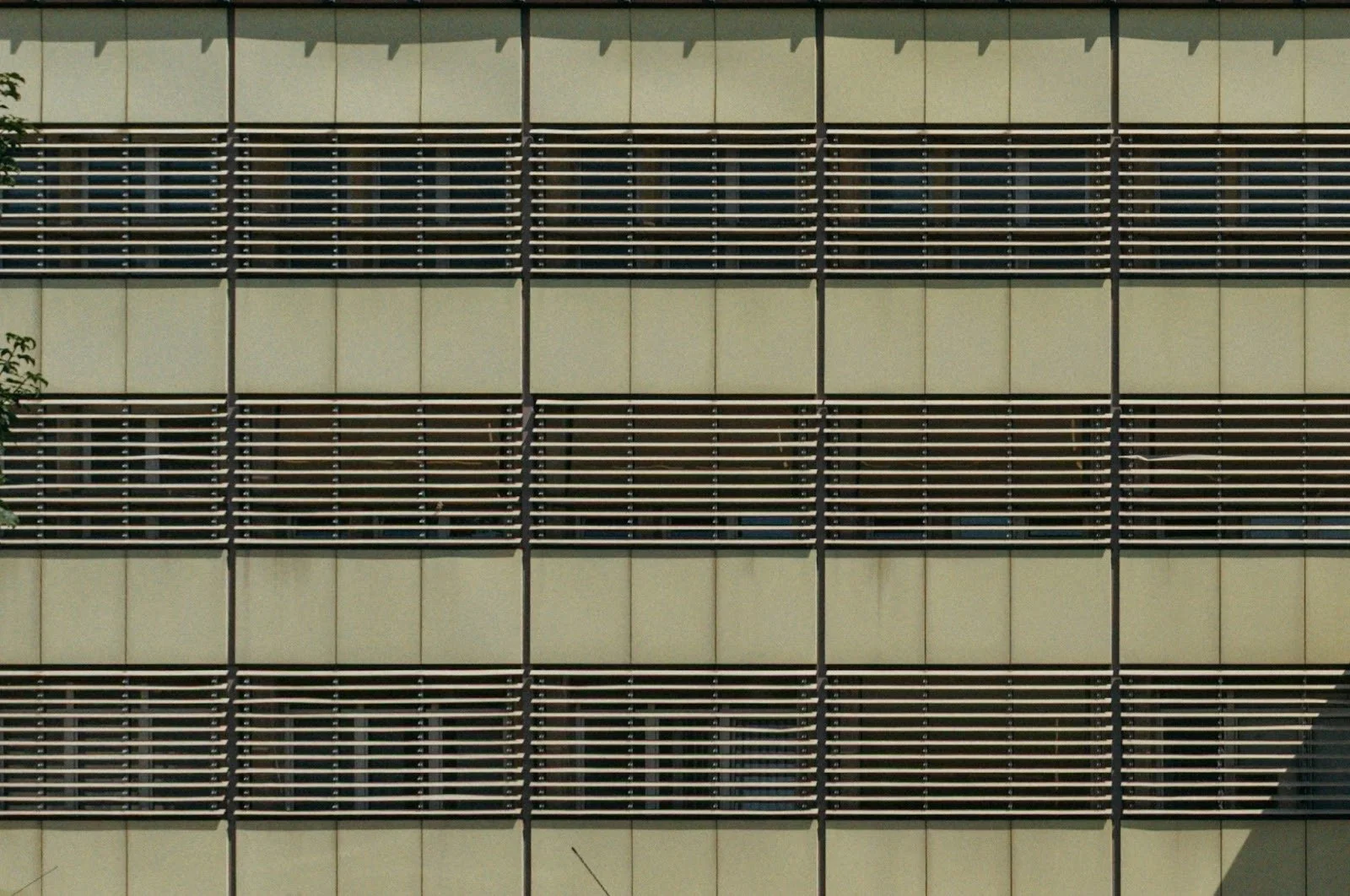
Structure loves rhythm.
Warehouses and pre-engineered buildings are among the most cost-effective structures we build.
Not because the materials are special.
Because the layouts are repeatable.
In a steel building for example, 6 m × 6 m or 9 m × 9 m grid allows frames and connections to repeat.
Detailing becomes simpler.
Fabrication becomes faster.
Erection becomes cleaner.
Here’s the part many teams miss.
Steel cost is not directly proportional to weight. It’s often proportional to complexity.

Apply the 80/20 rule and the pattern becomes clear.
Eighty percent of the time (and cost pain) tends to live in twenty percent of the structure.
The complex zones.
The odd geometry.
The transfer conditions.
The one-off details.
And especially the connection points, where engineering, fabrication, shop and field labour all collide.
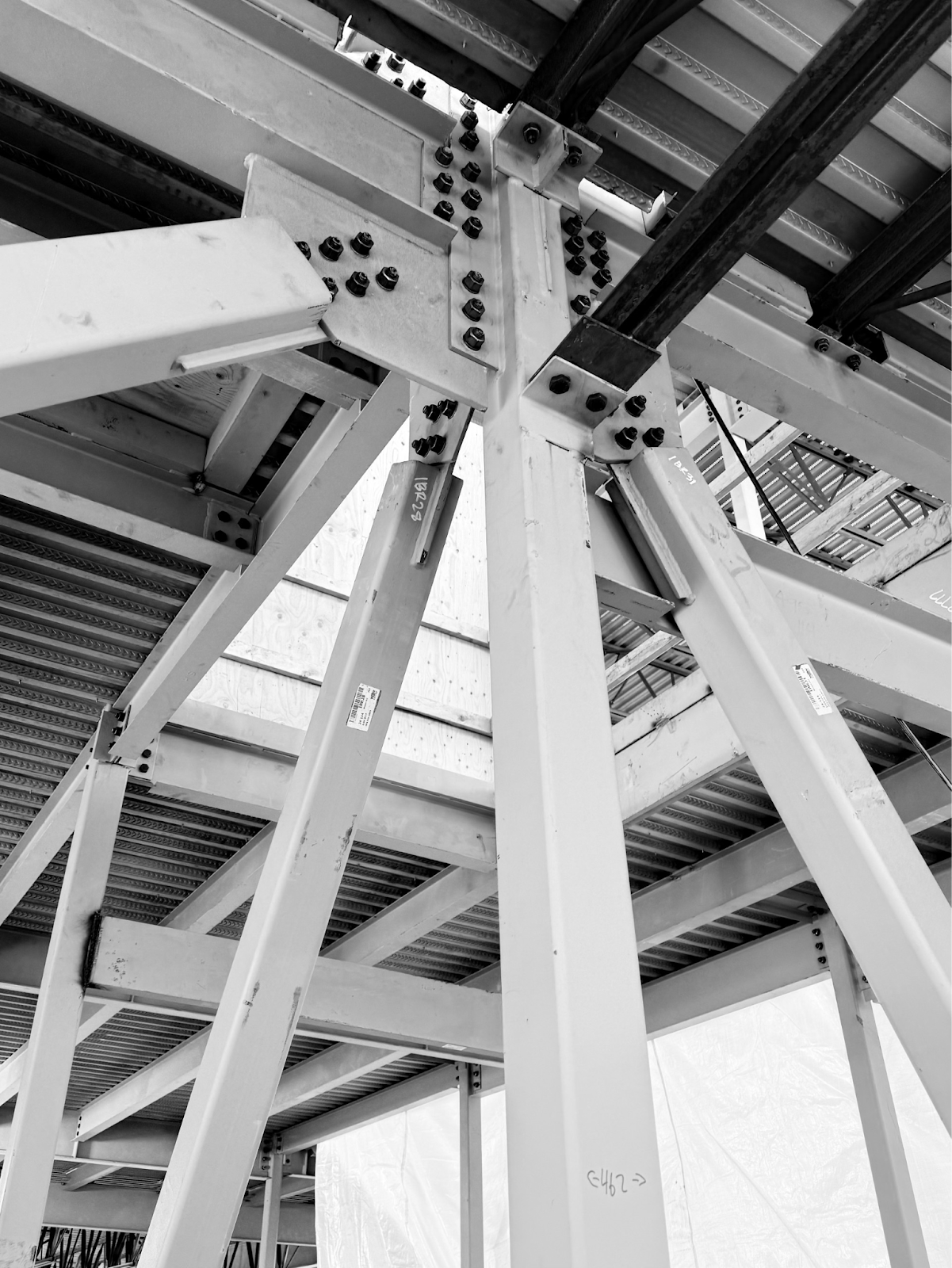
This connection came from one of our projects where an elevator shaft, cross-bracing, column supports and beams from multiple directions converge at a single point.
One detail and a disproportionate amount of time to design, fabricate and install.
The geometry made it unavoidable, but the team leaned in early and simplified it as much as possible.
If you want to reduce steel cost, don’t start by shaving five percent off beam weight. Start by reducing the variety of connections.
Fewer unique connections means fewer shop drawings, fewer setups in the shop, fewer surprises in the field and fewer hours fighting tolerances.
Repetition moves work into the shop, where the environment is controlled and efficient.
Now zoom out.
Most grids are chosen to match today’s use.
But buildings rarely stay the same.
Offices become residences.
Tenants change.
Systems get replaced.
Think of the structural grid as a board.
Chess and checkers are played on the same board.
Different rules. Different pieces. Different strategies.
The board never changes.
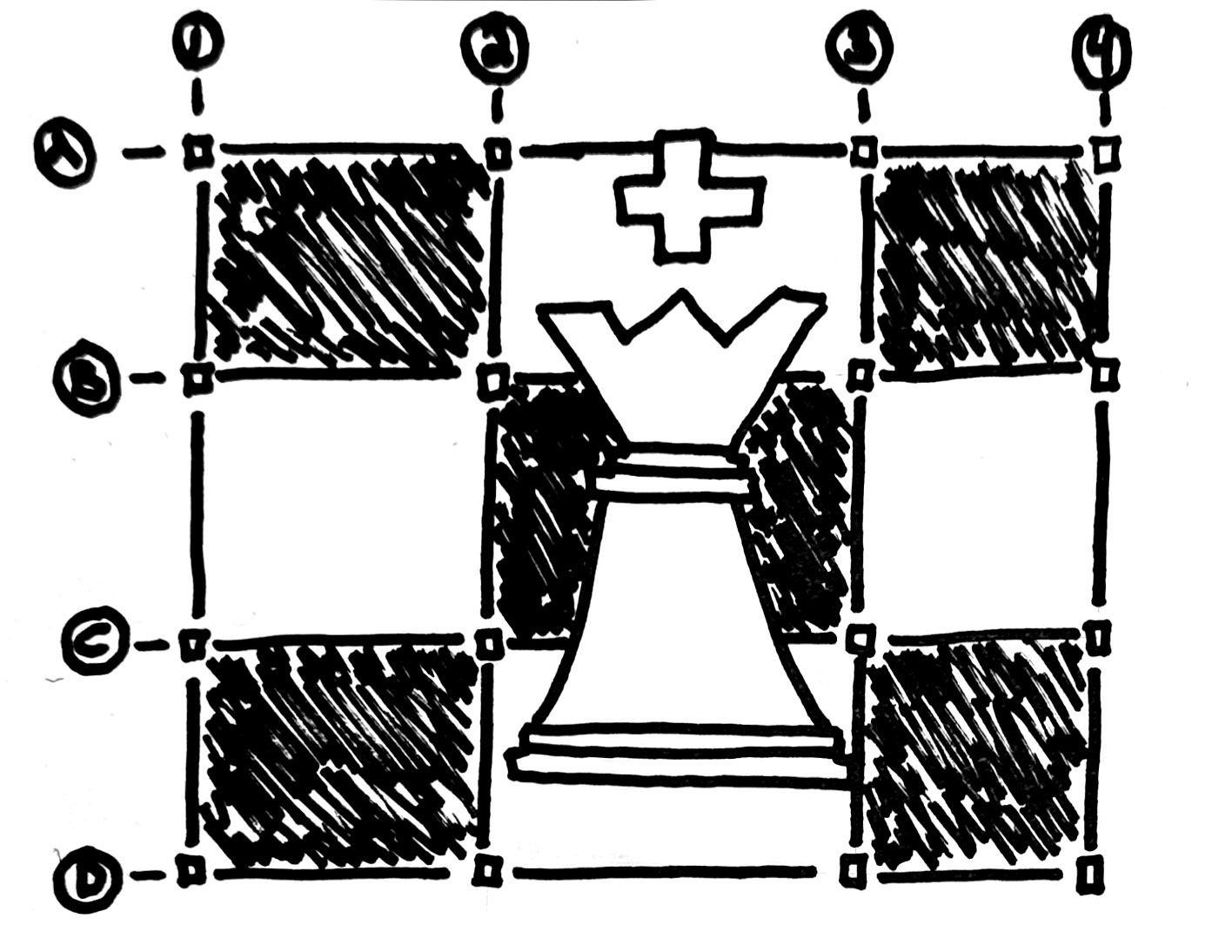
A simple, regular grid creates a board where many different “games” can unfold over time.
An irregular grid is like building a chessboard where the squares are all different sizes.
The moves become harder.
The options shrink.
The pieces start fighting the board.

Buildings change.
The grid usually doesn’t.
It’s quiet. But it’s decisive.
Set the grid well and a building can evolve for decades.
Set it poorly and every future change has to fight the board.