
The Power of Power
Power is everywhere.
Power plants.
Power grids.
Powering cities.
Flip a switch and the world lights up.
No power, nothing moves.
Engineers understand this.
Power is what makes things happen.
But power is not automatically good.
Uncontrolled power can destroy.
Directed power can transform.
And projects are full of power.
Not electrical power. Human power.
Who gets invited early?
Who gets asked too late?
Who controls the budget?
Who owns the schedule?
Who speaks first in the meeting?
Who stays quiet because it doesn’t feel safe?
Who gets treated like a partner?
Who gets treated like a commodity?
That kind of power shapes everything.
The process.
The design.
The cost.
The team.
The building.
This is why how we use power matters. Because on a project, power shows up in two very different ways:
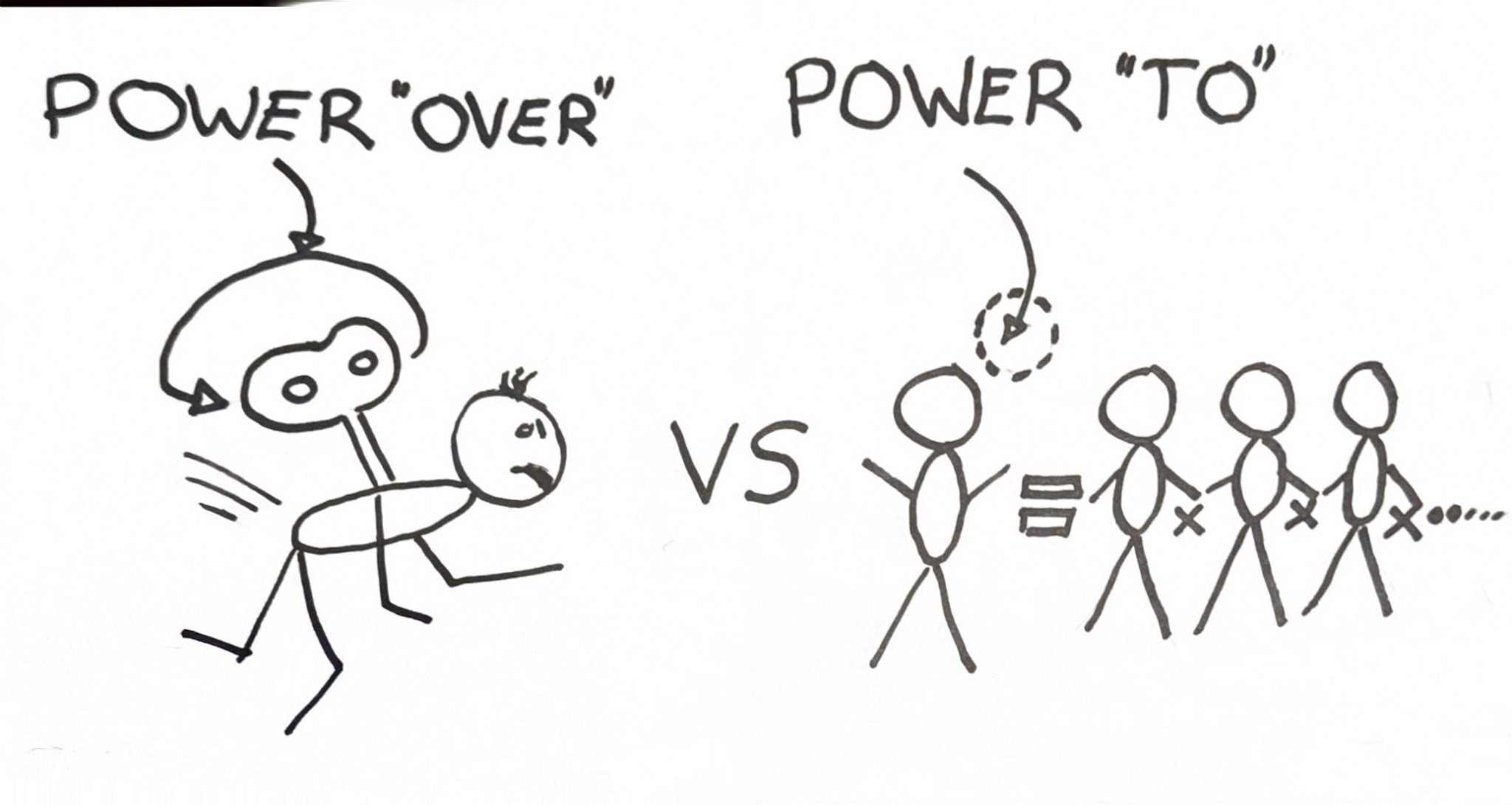
Power Over
Power To
Same force. Completely different outcome.
Power Over
Power Over is about control.
It’s driven by fear.
Fear of being wrong.
Fear of losing control.
Fear of not being heard.
So we protect ourselves.
We hold information back.
We defend our scope.
We build hierarchy into decisions.
When pressure rises, we blame.
The architect blames the engineer.
The engineer blames the contractor.
The contractor blames the drawings.
Everyone retreats to their corner.
Design becomes a handoff.
Architects go first.
Engineers come later.
Trades arrive last.
This structure becomes reactive.
The grid is already set.
The heights are already tight.
The big moves are already made.
Now we are asked to “just make it work.”
That is the cost of Power Over.
Being right becomes more important than getting it right.
And the building pays for it.

Power To
Power To is different.
Power To is about agency.
It’s using influence to move the project forward together.
Structure is brought in early.
Trades help shape constructability.
Cost feedback arrives while there is still time to respond.
The work becomes proactive.
We challenge each other earlier.
We ask better questions.
We name constraints before they become crises.
Not to win. To improve.
This is collaborative delivery at its best.
A different use of power.
Shared risk.
Shared information.
Shared ownership.
Power Over protects positions.
Power To creates possibility.
So the question is simple:
Do we use power to control the room?
Or do we use it to create something better together?