
Thousands of Unwritten Rules
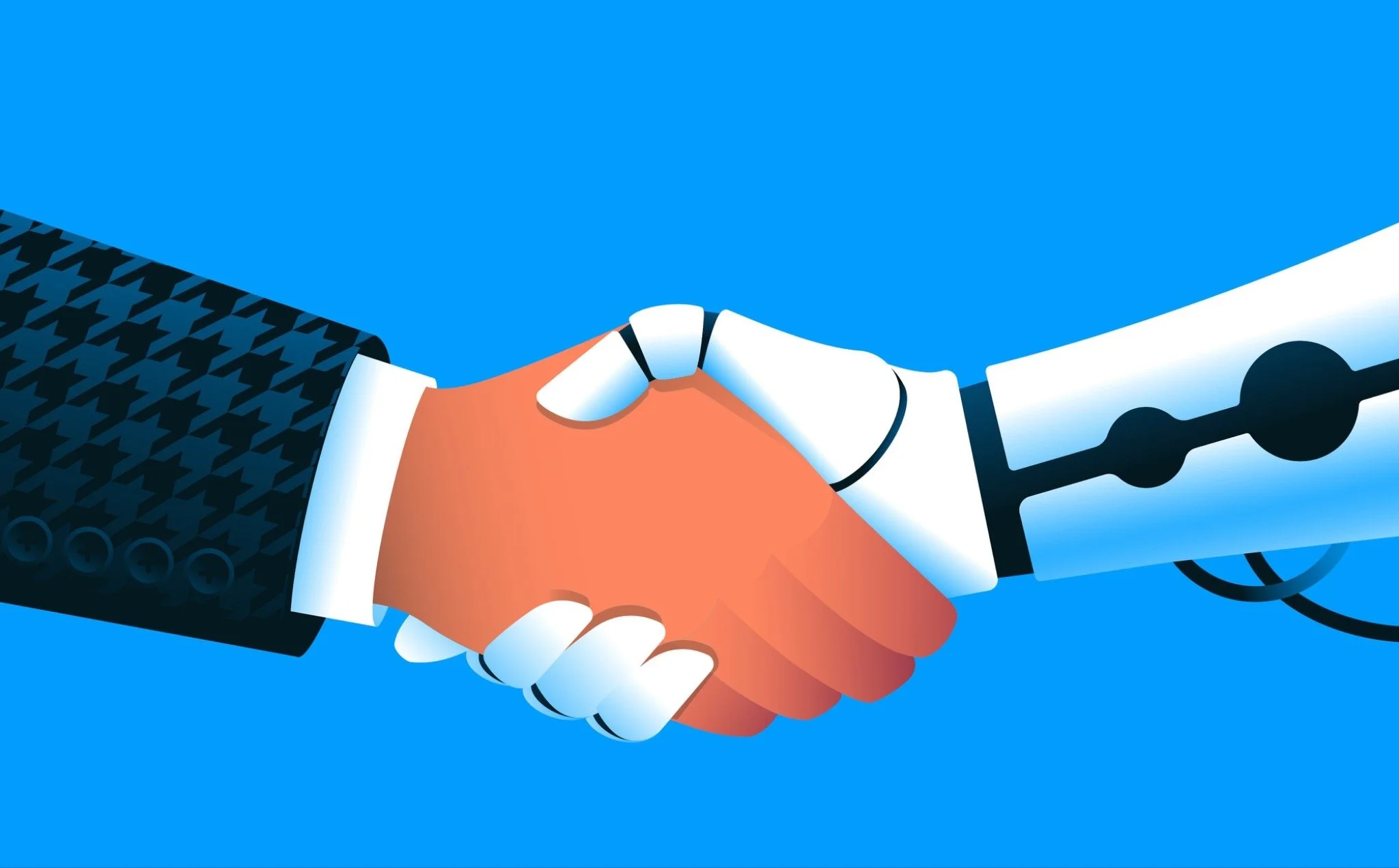
Artificial intelligence is arriving in engineering and construction faster than many of us expected.
Bluebeam Max can now review drawings for conflicts and scope gaps. Autodesk is embedding AI into Revit to assist with coordination, clash detection and design workflows. Every month, the tools become more capable.
Naturally, people ask:
"Will AI replace engineers?"
We think that's the wrong question.
A better one is:
Can AI explain how we make decisions?
Every experienced engineer has had the same moment.
You look at a drawing, and something doesn't feel right.
Maybe it's a connection detail that's unnecessarily complicated.
Maybe it's a framing layout that won't work in the field.
Maybe it's a clearance issue that will frustrate the contractor for months.
You can't always explain it immediately.
You just know.
Years of experience have trained you to recognize patterns others don't yet see.
Here's the challenge.
AI can't review a rule that hasn't been written.
It doesn't know what "feels wrong."
It can't recognize constructability from instinct.
It can't distinguish between a detail that's technically correct and one that will become a field problem, unless someone first teaches it how those decisions are made.
And that's where this conversation becomes interesting.
AI isn't replacing engineering judgment.
It's revealing it.
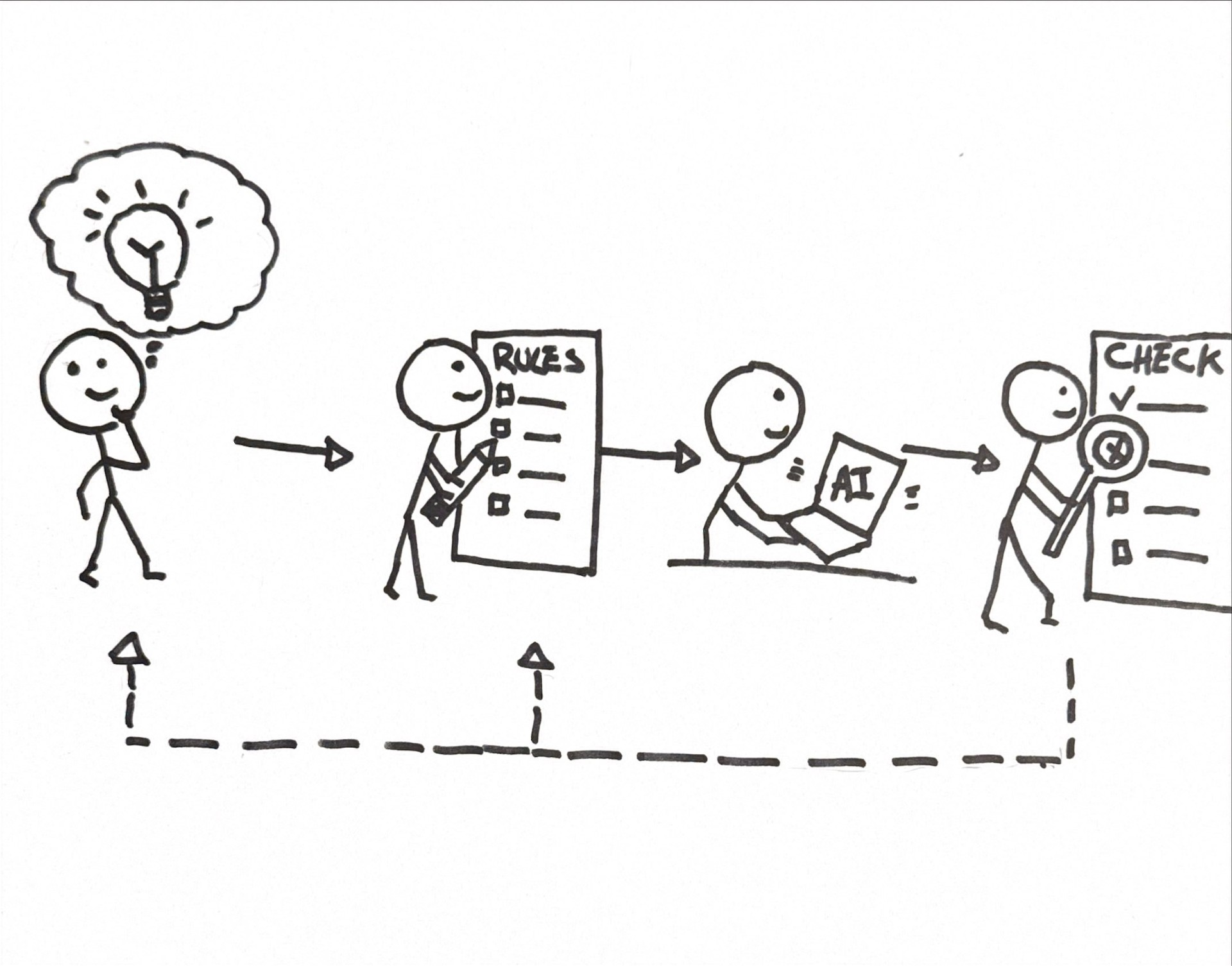
For decades, our industry has relied on knowledge that lives inside people.
Senior engineers know what to look for during design reviews.
Superintendents anticipate where field issues are likely to appear.
Project managers know which coordination discussions deserve the most attention.
Most of that knowledge has never been documented.
It's passed from one person to another through markups, mentoring, project meetings, and years of experience.
AI shines a light on that reality.
The moment we ask AI to review drawings, we discover something uncomfortable:
Much of our review process exists as thousands of unwritten rules.
The firms that succeed won't simply have the newest AI tools.
They'll have the clearest thinking.
Documented standards.
Defined review processes.
Lessons learned.
Checklists.
Decision frameworks.
Knowledge that can be shared, improved and built upon.

The exercise of writing these things down has value far beyond artificial intelligence.
It improves consistency.
It accelerates onboarding.
It preserves institutional knowledge.
It strengthens collaboration across disciplines.
And it helps the next generation learn faster than the last.
Whether your team uses Bluebeam Max, Revit AI, or another platform almost doesn't matter.
The technology will continue to evolve.
The real opportunity is capturing the expertise your organization already possesses.
Because your competitive advantage was never the software.
It was always the way your people think.
AI is simply giving us a reason to finally write that thinking down.