
Why More People Won’t Save Your Project
Every project manager has heard it.
The schedule slips.
The owner gets nervous.
Someone around the table says:
"Can't we just add more people?"
It sounds reasonable.
If one person can complete a task in ten days, surely two people can finish it in five.
Except projects don't work that way.
In fact, adding people to a struggling project often makes it slower.
It even has a name.
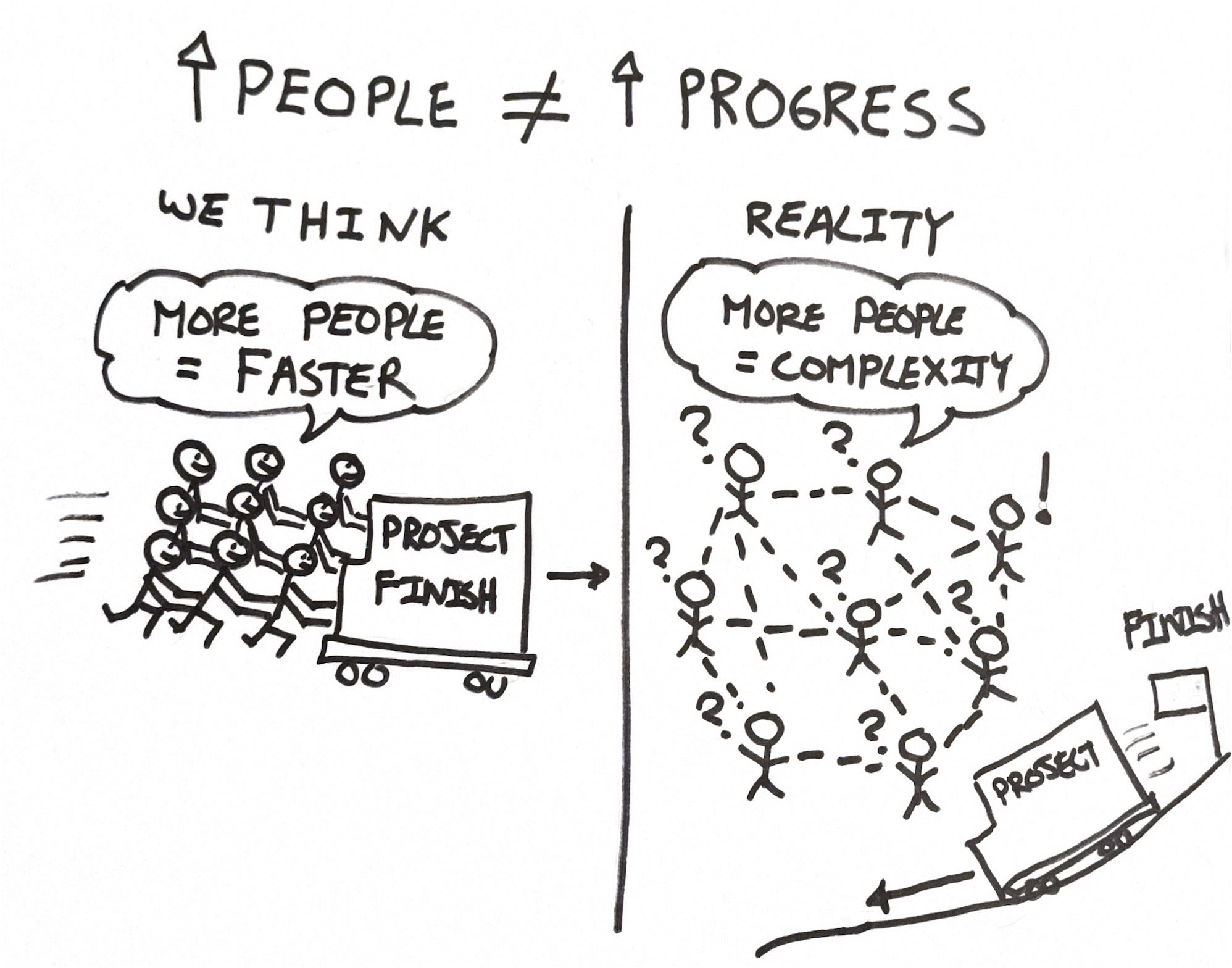
Software engineer Fred Brooks famously observed:
"Adding manpower to a late project makes it later."
Although Brooks was writing about software development, the principle shows up just as often in engineering and construction.
Here's why.
Imagine bringing a structural engineer into a project that's already halfway through design.
Before they can contribute, they need context.
Why was this structural system selected?
Which options have already been ruled out?
What coordination issues have already been resolved?
The experienced members of the team stop moving the project forward to bring someone else up to speed.
For a while, the project has two jobs instead of one:
Design the building.
Teach the new team member.
Now multiply that across several new consultants, contractors, or designers.
Every additional person creates more conversations.
More coordination.
More communication pathways.
More opportunities for misunderstandings.
The team gets larger.
But it doesn't necessarily become faster.
Some work simply isn't divisible.
You can't split one difficult coordination decision across five people and expect it to happen five times faster.
Complex decisions require shared understanding.
And shared understanding takes time.
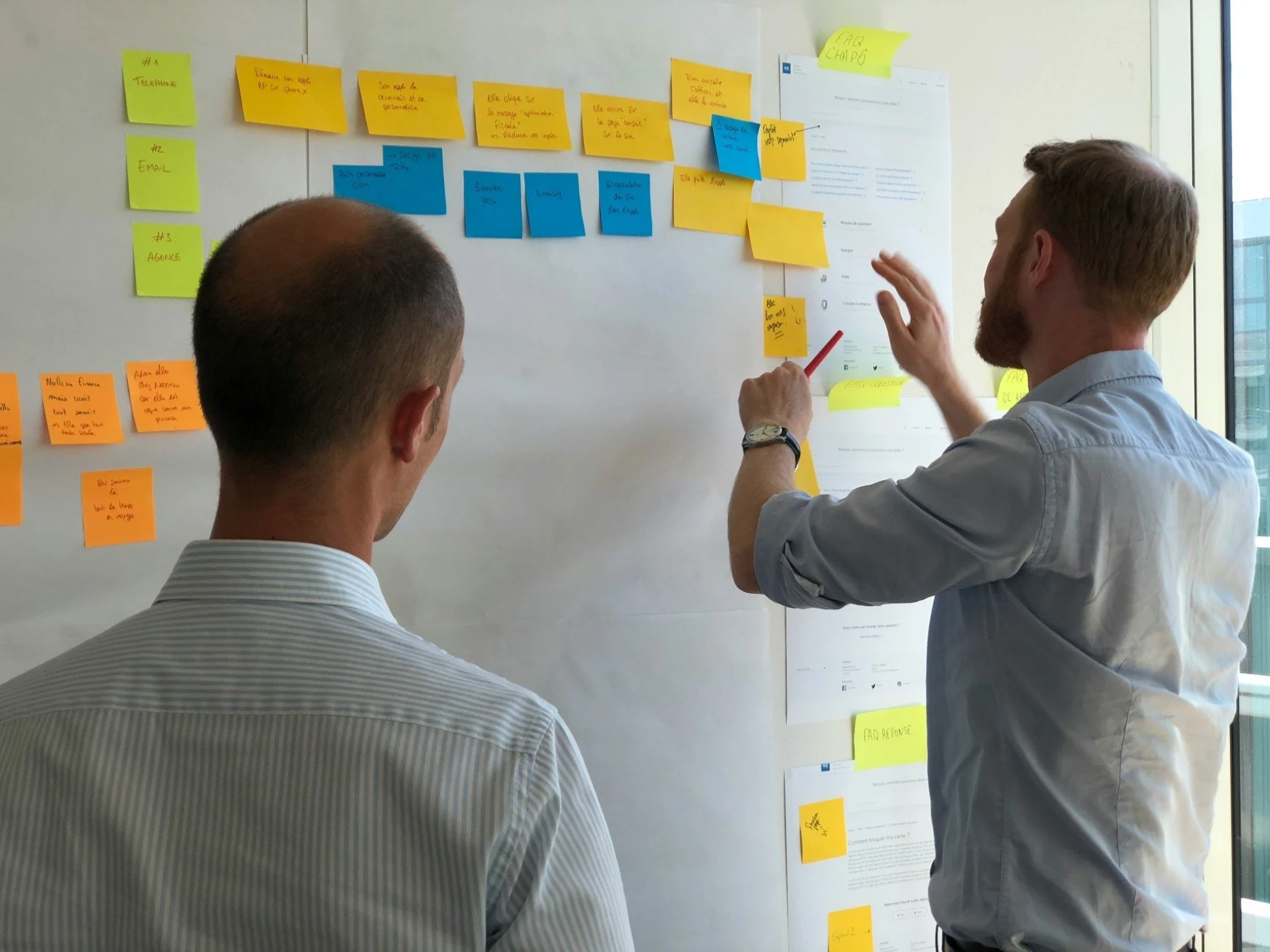
To be clear, we're not arguing against collaboration.
Quite the opposite.
The best projects bring the right people together early.
Integrated teams.
Early stakeholder involvement.
Purposeful collaboration sessions.
Specialized expertise when it's needed most.
That's intentional.
What we're talking about is the panic response.
The belief that adding headcount late in the project will somehow erase months of complexity.
Unfortunately, that's often when adding people is least effective.
The later a project becomes, the more context every new person needs.
The more context they need, the more time existing team members spend explaining instead of solving.
So what should leaders do instead?
Start by asking better questions.
What's actually slowing us down?
Is it a lack of people?
Or a lack of clarity?
Is the bottleneck technical?
Or is it decision-making?
Do we need additional expertise?
Or do we need to remove obstacles that are preventing our current team from succeeding?
Could clearer priorities accomplish more than additional headcount?
Sometimes the fastest path forward isn't expanding the team.
It's reducing the friction.
Because successful projects aren't built by the biggest teams.
They're built by the right team, working together with clear priorities, shared understanding and the information they need to make good decisions.