
When Bones Become Skin
Most structures are designed with the assumption that no one will ever see them.
Steel can be rough.
Welds can be functional.
Small misalignments don’t matter.
Because it all gets covered.
Structural engineers get excited when things are exposed. It makes our day.
Because when bones become skin, everything changes.
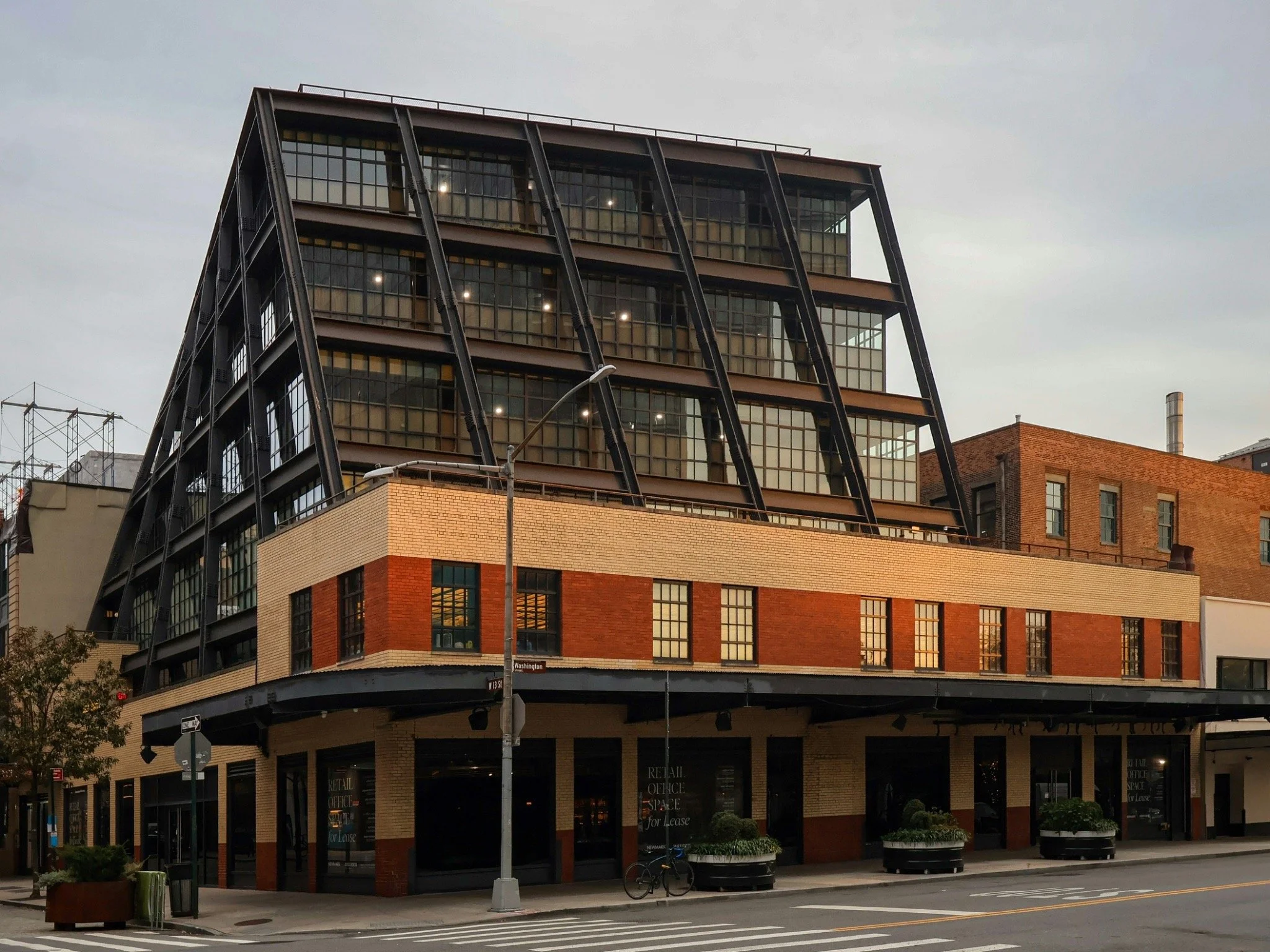
When structure is visible, tolerance becomes design.
Every imperfection becomes something people can see, judge and remember.
The industry formalized this shift through AESS: Architecturally Exposed Structural Steel.
And with it, a simple truth:
The closer you are, the more you can see.
The more you can see, the more precision is required.
And the cost rises accordingly.

We get asked about this a lot.
At a high level, there are three things that matter.
First is tolerance alignment.
AESS is not just about making steel more precise.
It is about making different systems appear aligned.
Steel can be fabricated tightly.
Concrete placement varies.
Timber moves over time.
When these come together, their tolerances stack.
If this isn’t coordinated early, the result is visible misalignment, or expensive fixes in the field.
Second is surface preparation.
Standard structural steel isn’t visually consistent.
Mill marks, weld seams and handling damage are normal.
In AESS, especially at higher categories, these need to be removed, ground smooth and finished consistently.
Structure becomes a finishing process with real impacts on cost, schedule and inspection.
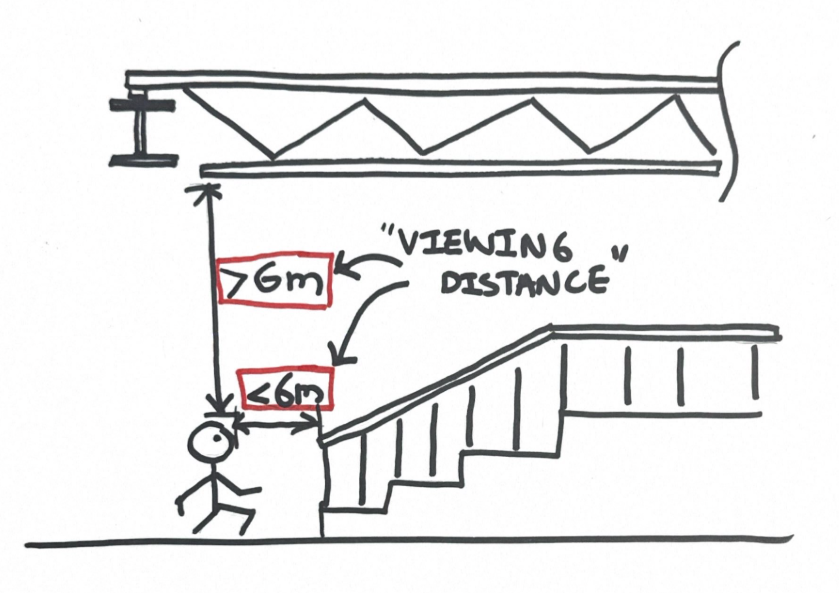
Third is viewing distance.
There’s a line the industry often uses:
Roughly 6 metres. About 20 feet.
Above it, a structure is seen.
Below it, a structure is experienced.
It’s the difference between something you glance at and something you can walk up to, touch and inspect.
A high level of finish is not required everywhere.
But without clarity, it’s easy to apply it everywhere and end up paying for precision no human eye will ever experience.
AESS is not a finish.
It’s a coordination strategy.
It asks teams to decide where precision matters, align tolerances across materials and define what “good” actually looks like before fabrication begins.
When bones become skin, we are no longer just coordinating structure.
We are coordinating perception.
The cost is determined by how close someone stands.